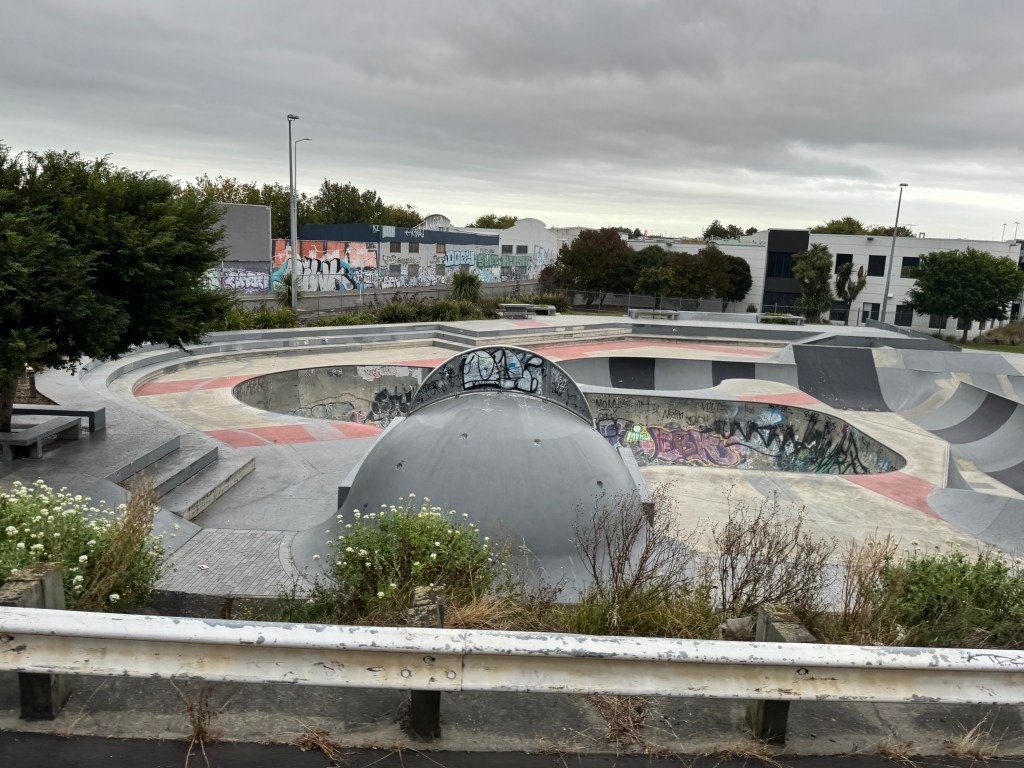
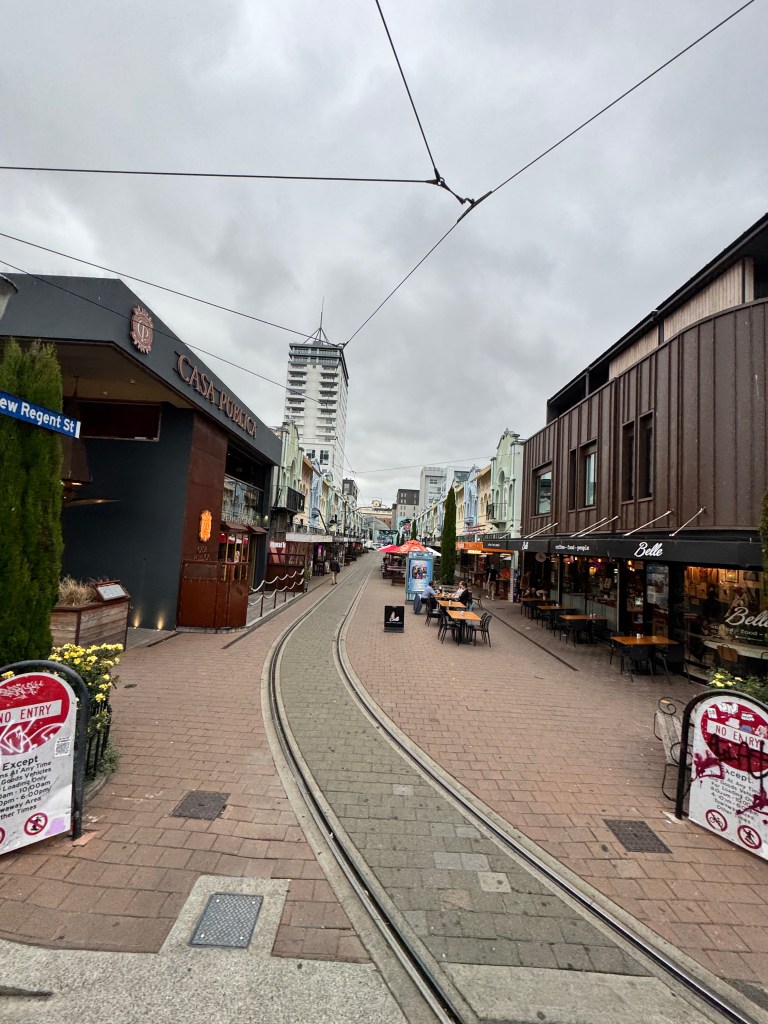
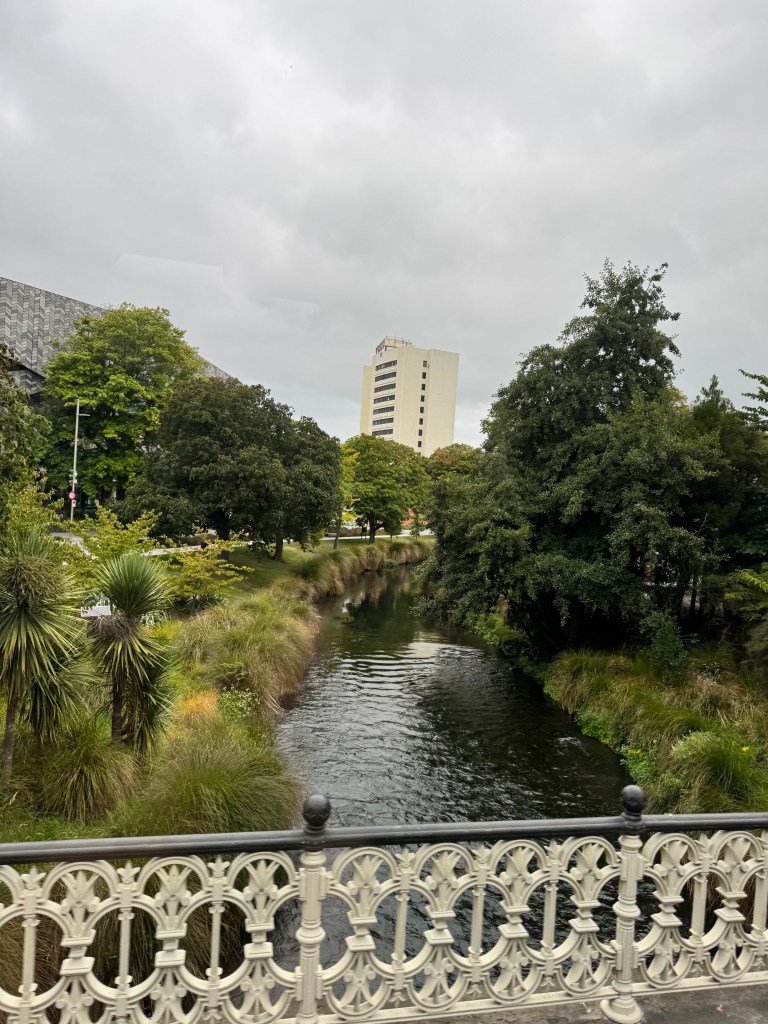
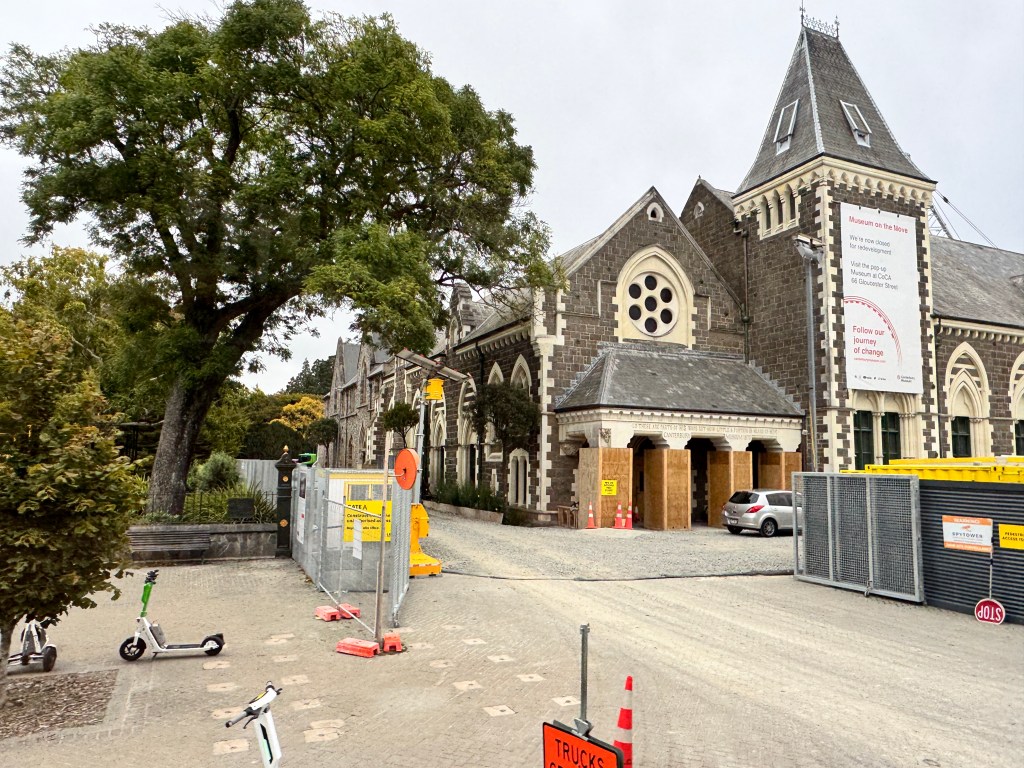
Wednesday, February 26, 2025 – Christchurch is the second largest city in New Zealand and the largest city on the South Island. The current metropolitan population is about 500,000. There is evidence of Maori activity in this area dating back to 1250 AD, and the British arrived in the early 1800s.
A magnitude 6.3 earthquake struck Christchurch, New Zealand in February 2011. The epicenter was about 4 miles southeast of the city’s central business district, creating chaos in the city. There were 185 fatalities, over 7000 injuries and more than 10,000 people were left homeless. There is still a huge amount of construction underway and it will be years before the city gets ‘back to normal’.
The early history of Christchurch is built on whaling and farming. Farming still maintains a stronghold in this region. The city has earned its nickname of ‘the Garden City’ due to more than 900 parks and public gardens around the city.
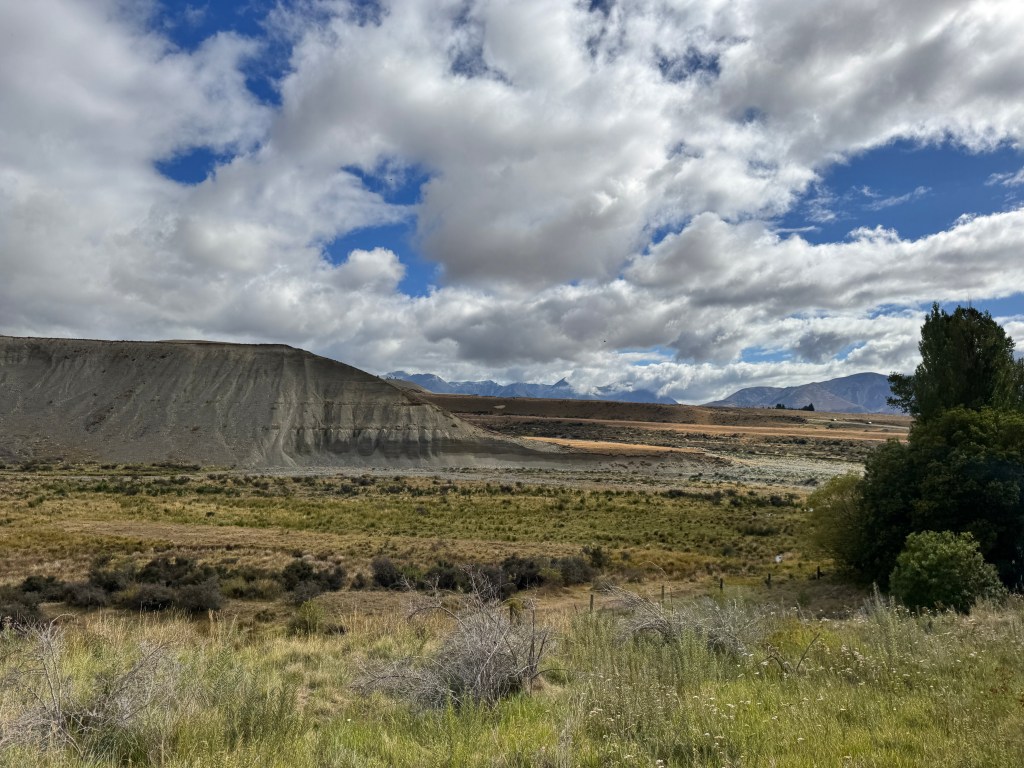
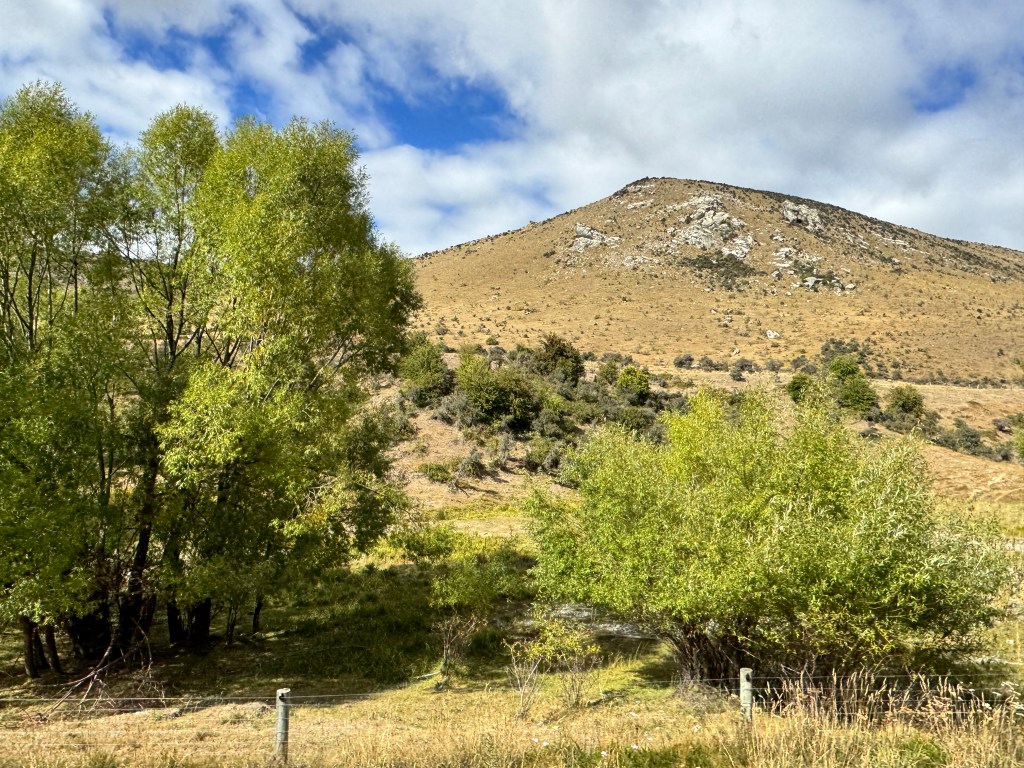
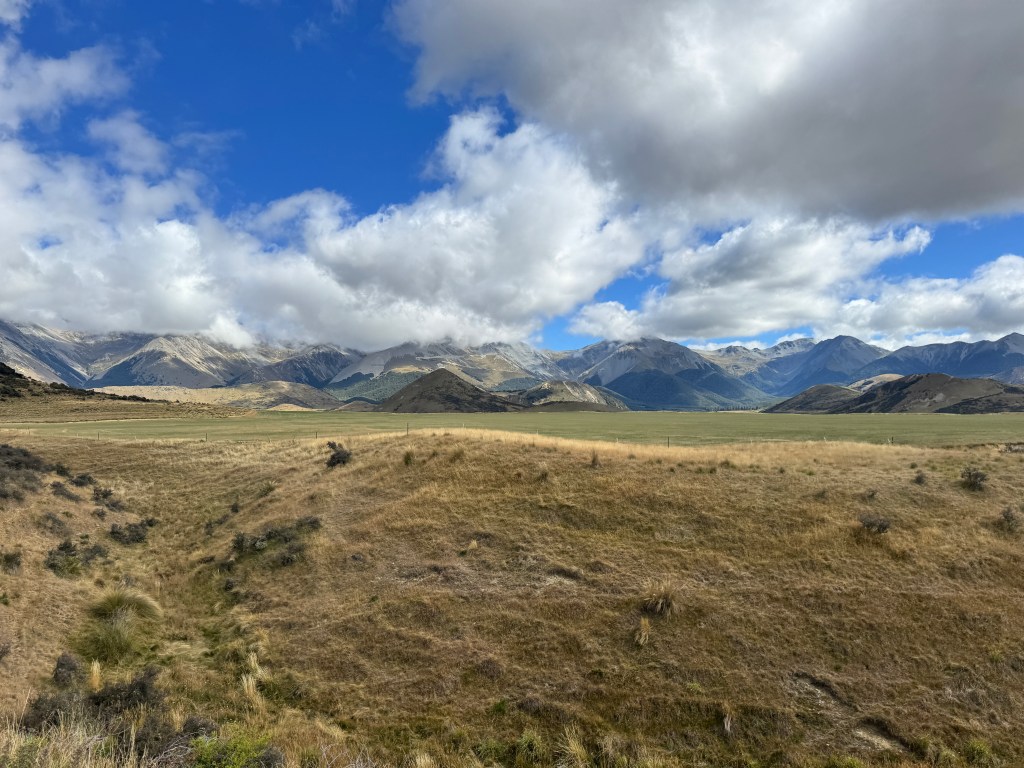
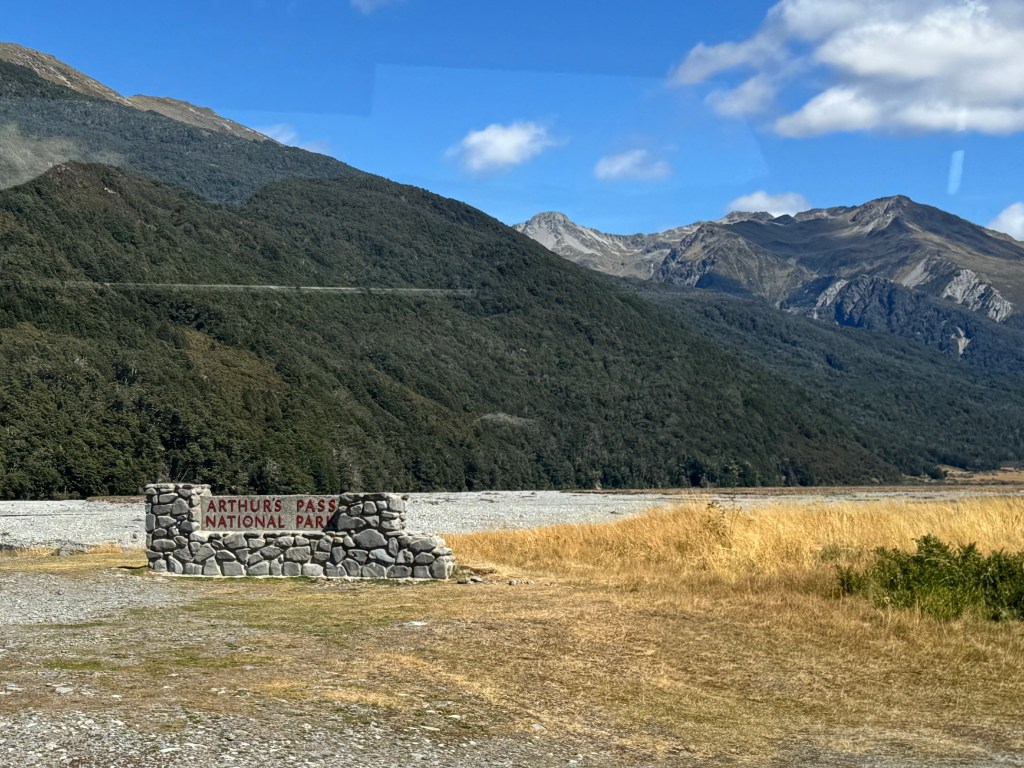
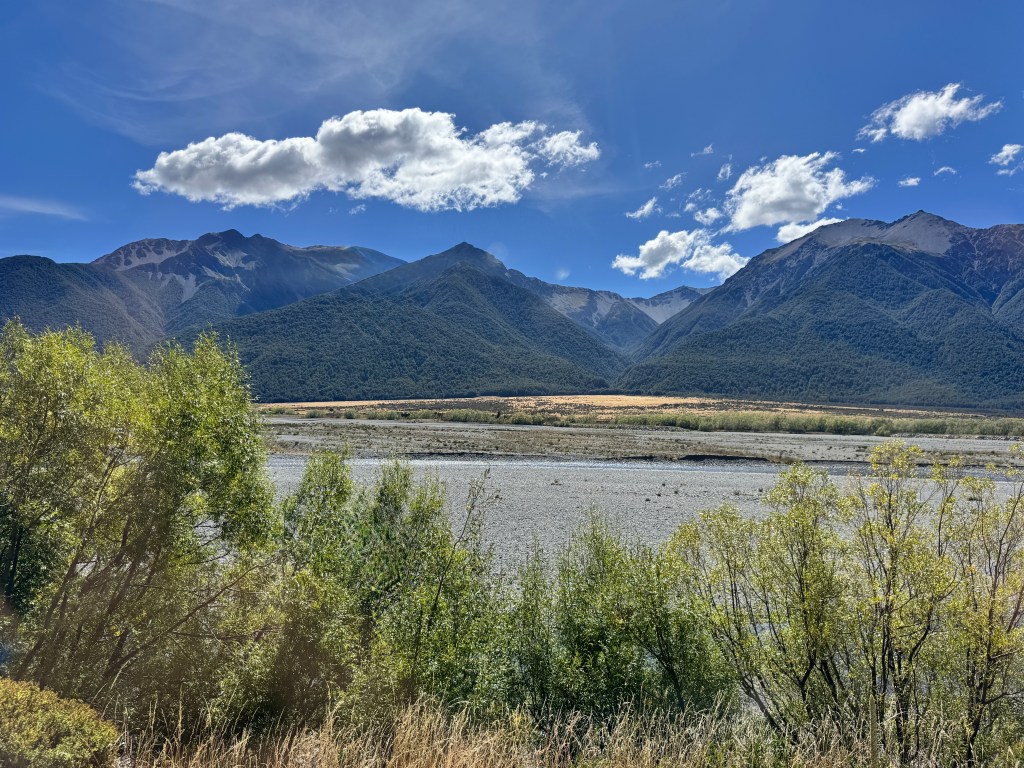
After leaving Christchurch, we drove to the west across the Canterbury plain and into the foothills of the Southern Alps.
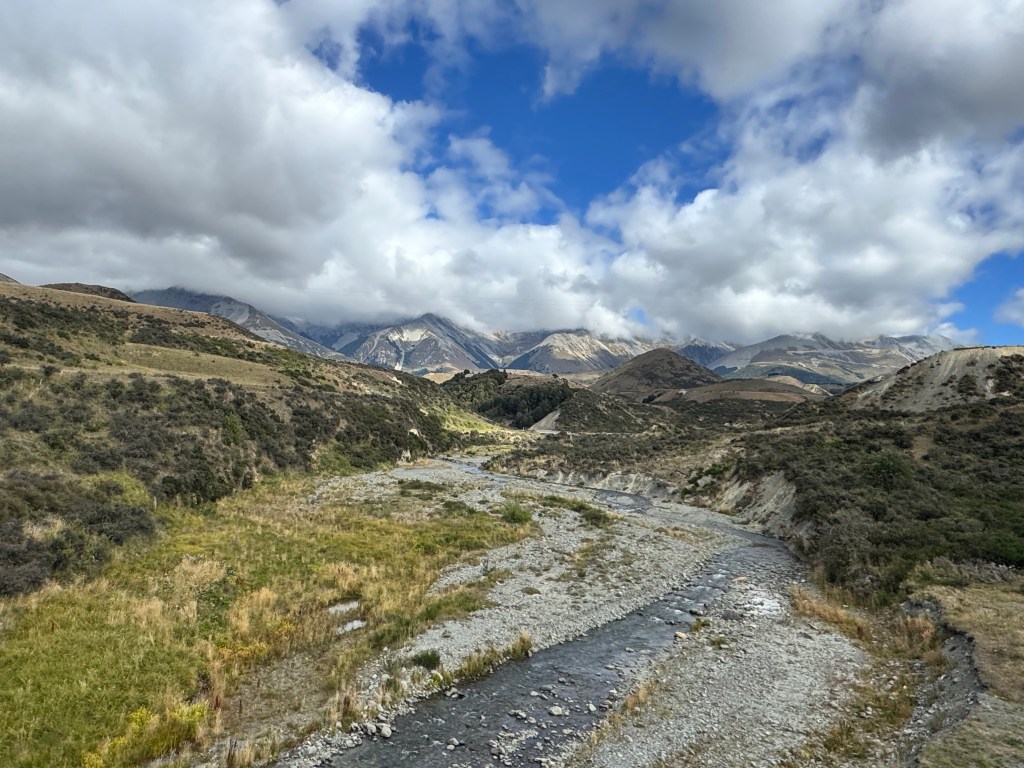
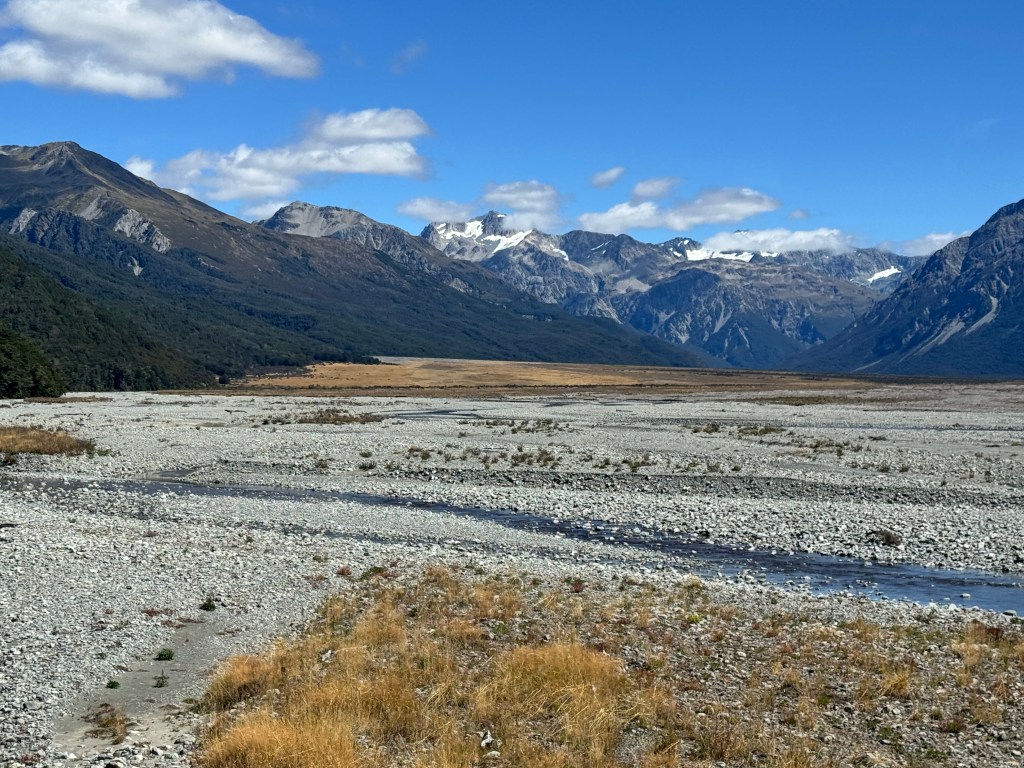
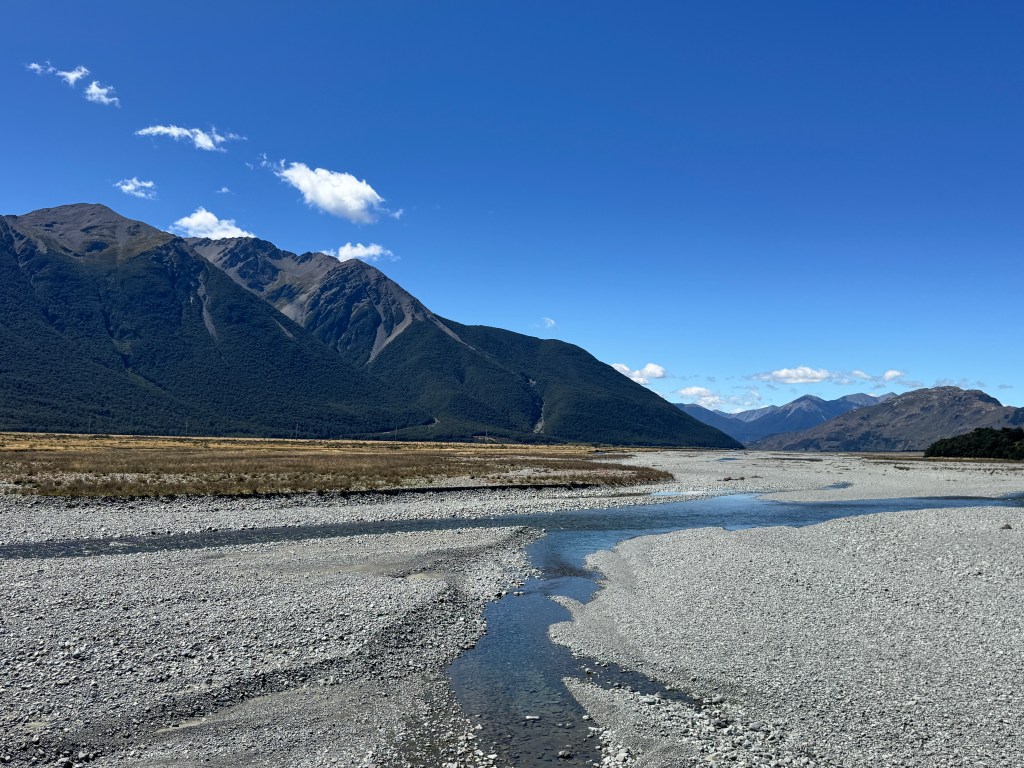
For much of the way we followed the Waimakariri River, a braided river that comes out of the Southern Alps and flows east into the South Pacific just north of Christchurch.
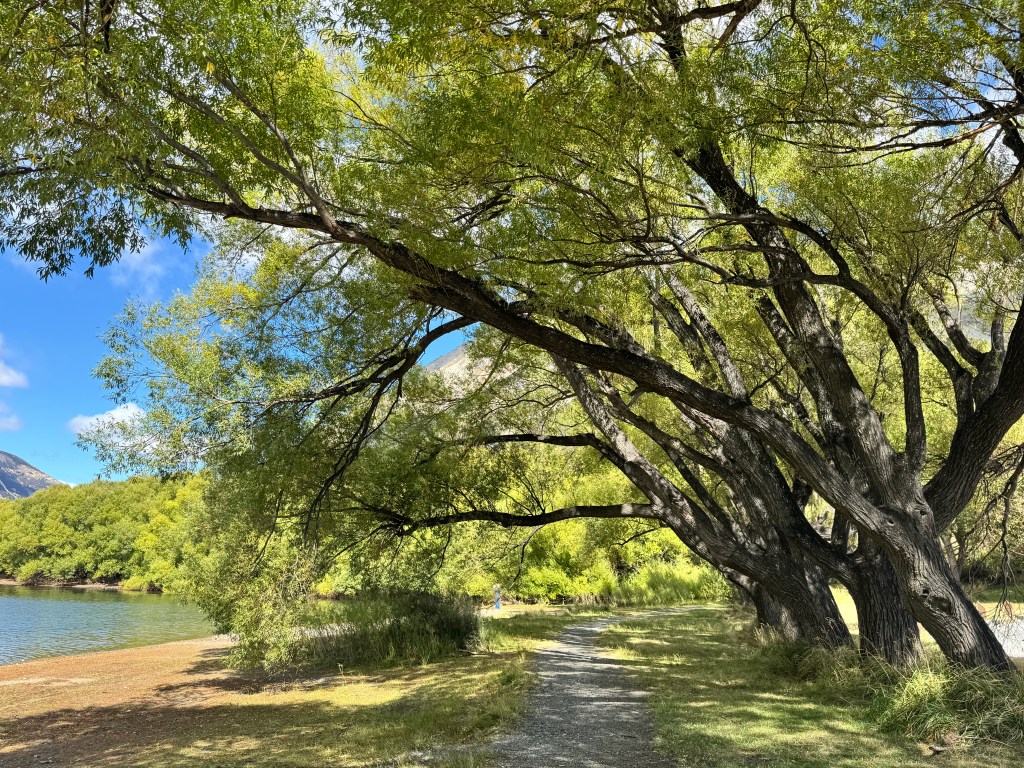
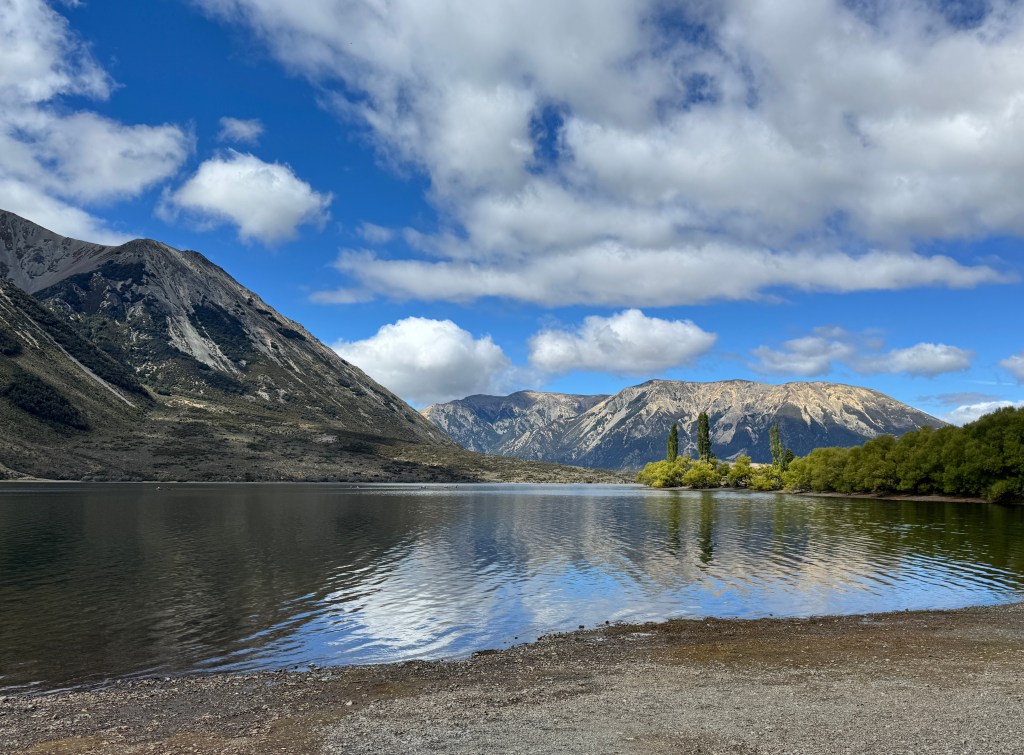
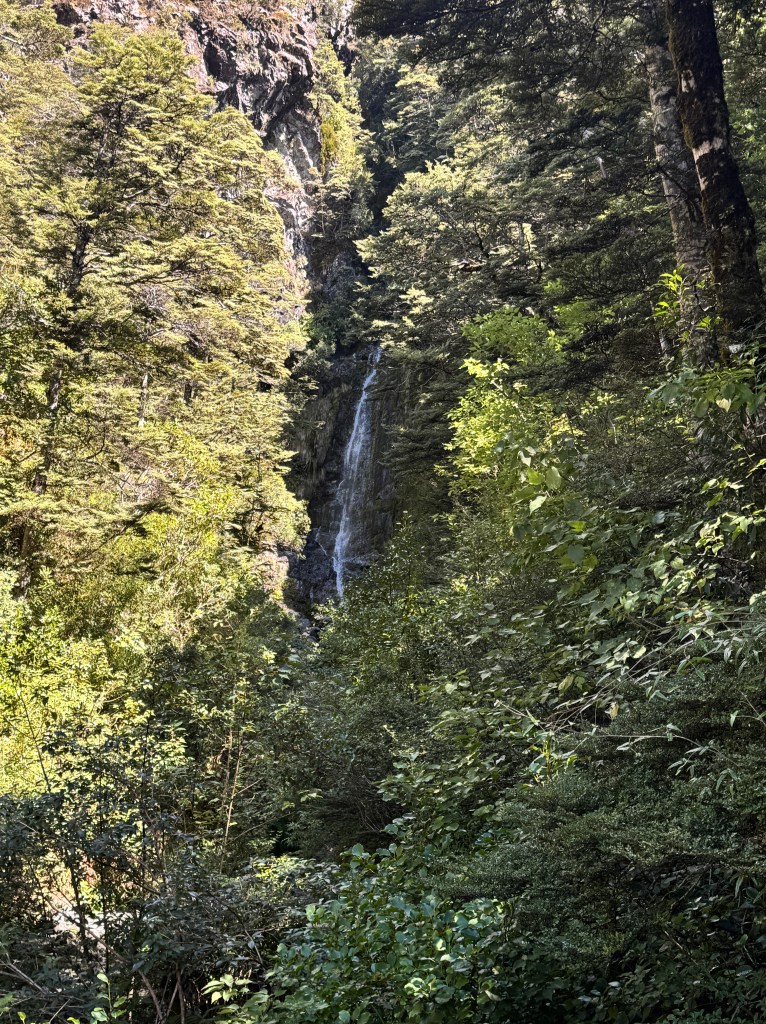
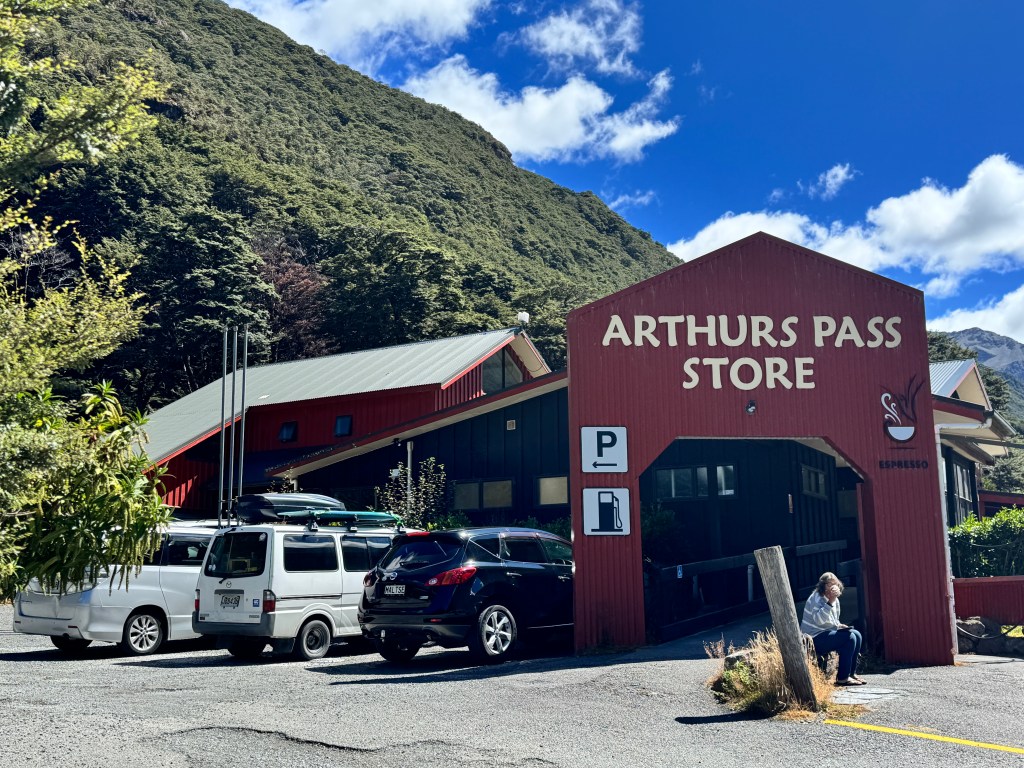
There were some ski hills along the way, some public and some private, and we crossed a variety of rivers. We stopped for a cuppa tea and biscuits (cookies) at Pearson Lake, then continued on to Albert’s pass. We took a little hike to a few small waterfalls, did a little souvenir shopping and wandered it around the postage stamp-sized village nestled in the southern Alps before we boarded the bus to head back home. It was a beautiful drive, but a very long day.
I thought I would fall asleep on the dinner table when I got back to the ship, but I managed to make it to bed before I snoozed 💤