
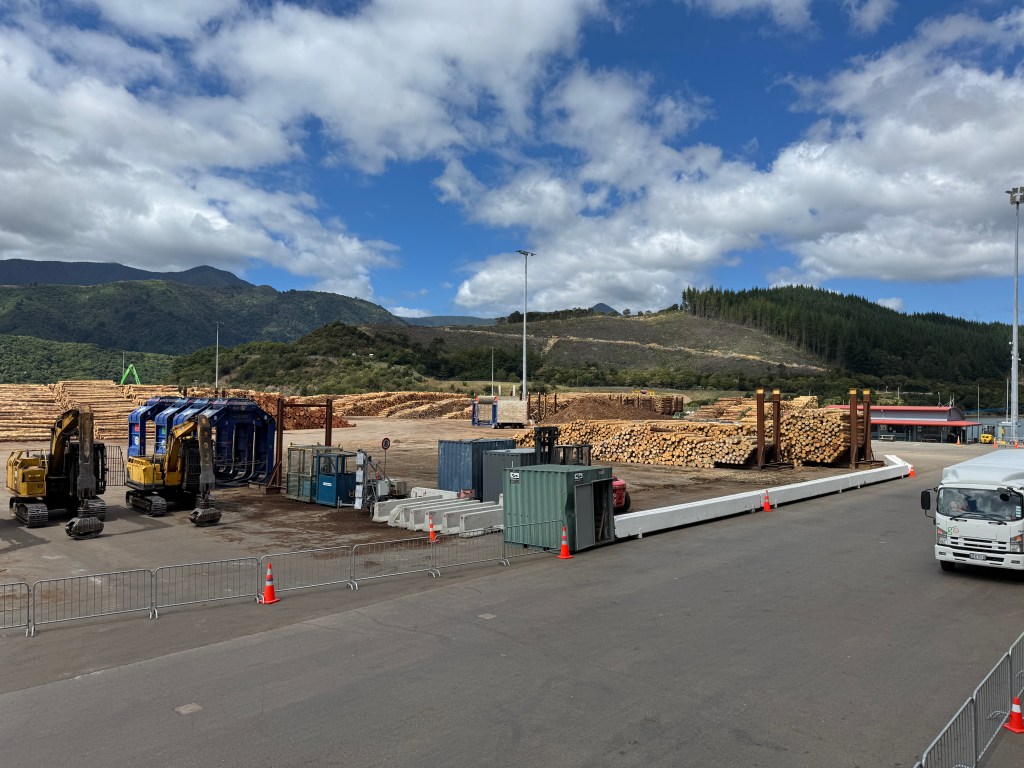
Monday, February 24, 2025 – Picton is a small port (population ~4,500) located on the northern tip of the South Island of New Zealand. Similar to many of the ports we visit, there is a stockpile of Radiata pine logs at the port, awaiting export to China, India and South Korea.

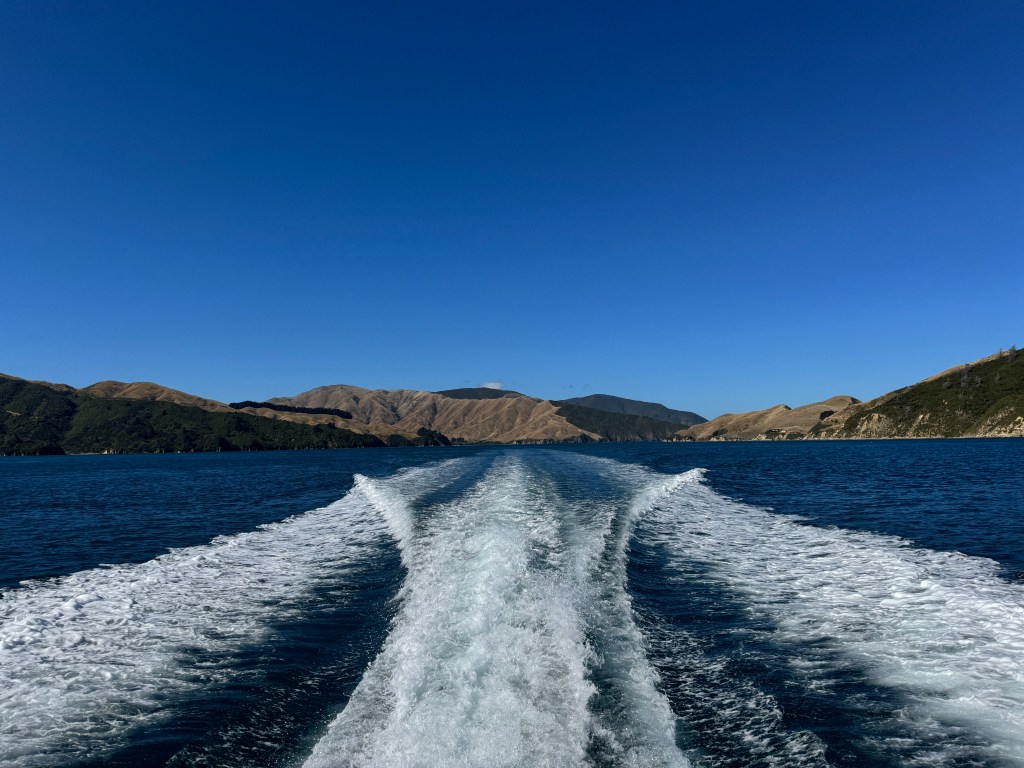
I was shuttled from the port to the local harbor for today’s adventure… a visit to Arapaoa Island, home of about 50 residents and the site of a Paua Pearl farm, which I had the opportunity to tour. It was a beautiful, sunny but chilly hour-long water taxi ride from Picton to the island through Queen Charlotte and Marlborough Sounds. We passed by king salmon farms, a World War II military installation, beautiful holiday homes, and a variety of birds.

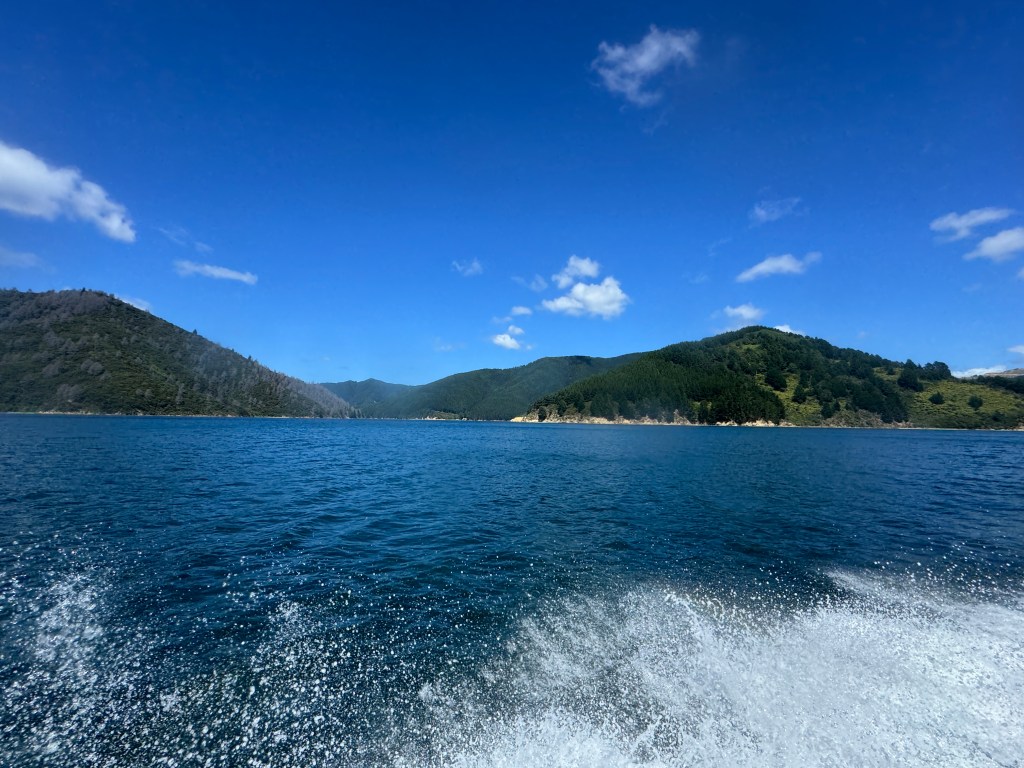
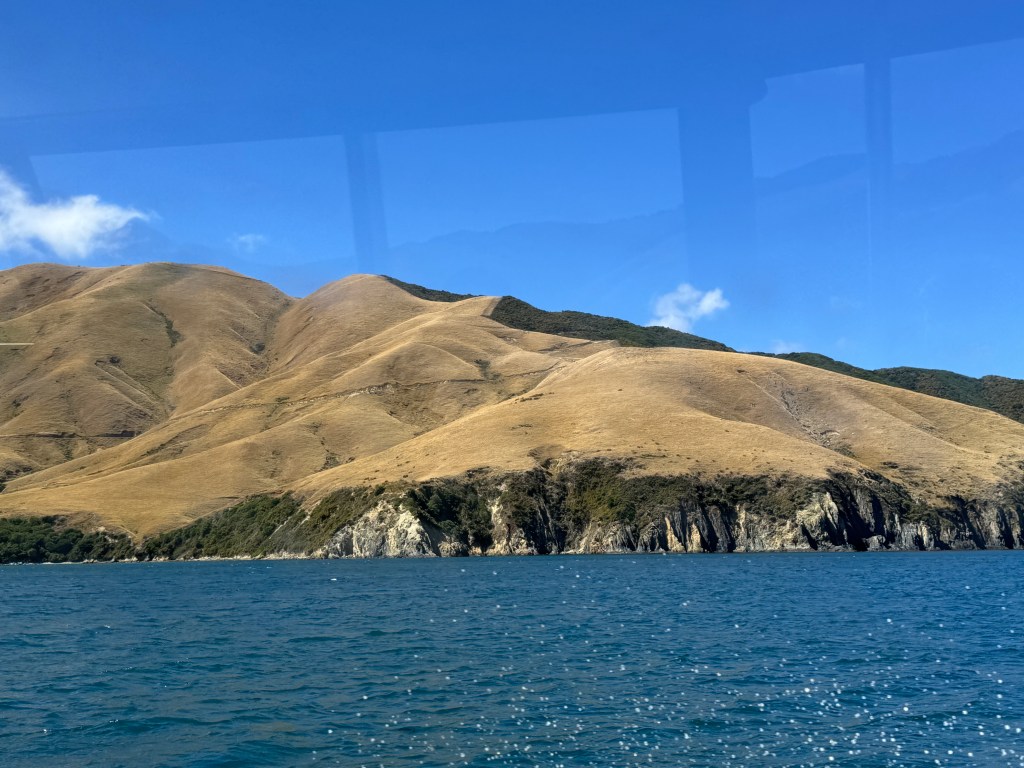
Arapaoa Island is largest and only inhabited island in the area. The other smaller islands are native wildlife sanctuaries. There are several aggressive non-native plant and animal eradication programs underway throughout New Zealand, including the islands of the Queen Charlotte and Marlborough Sounds. Some examples are Lodgepole pine and Douglas fir trees along with rats, opossum and stoats.
It was from a hill on Arapaoa Island in 1770 that Captain Cook first saw the sea passage separating the north and south islands of New Zealand and connecting the South Pacific Ocean to the Tasman Sea, confirming what the native Maori leaders had told him.
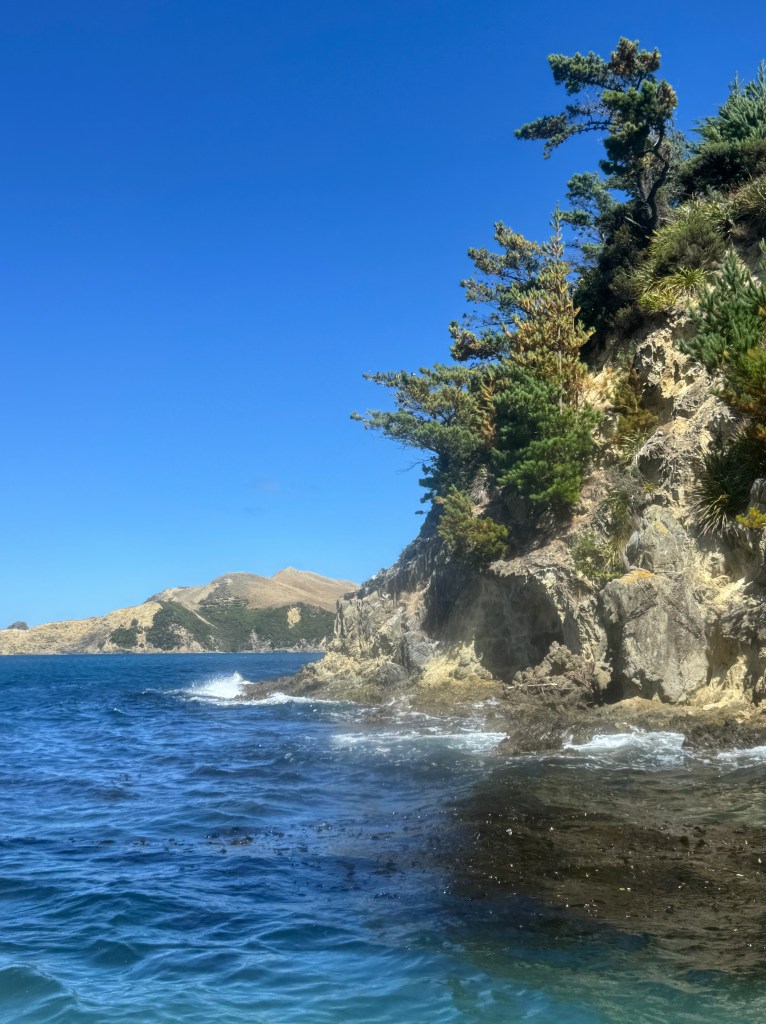
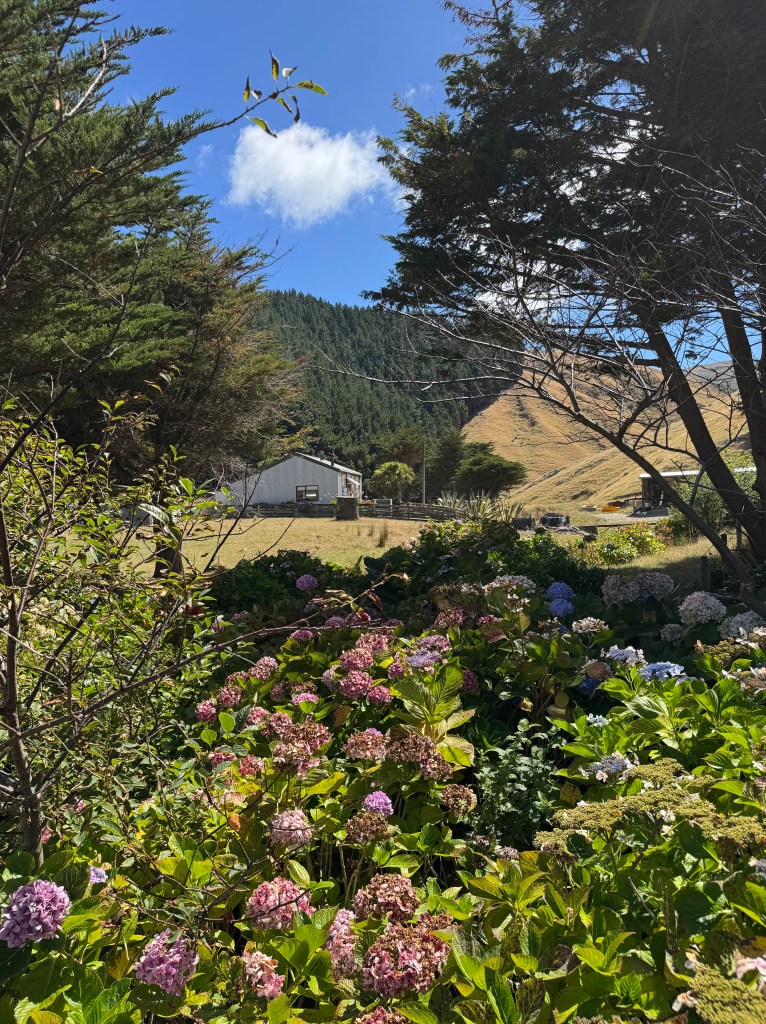
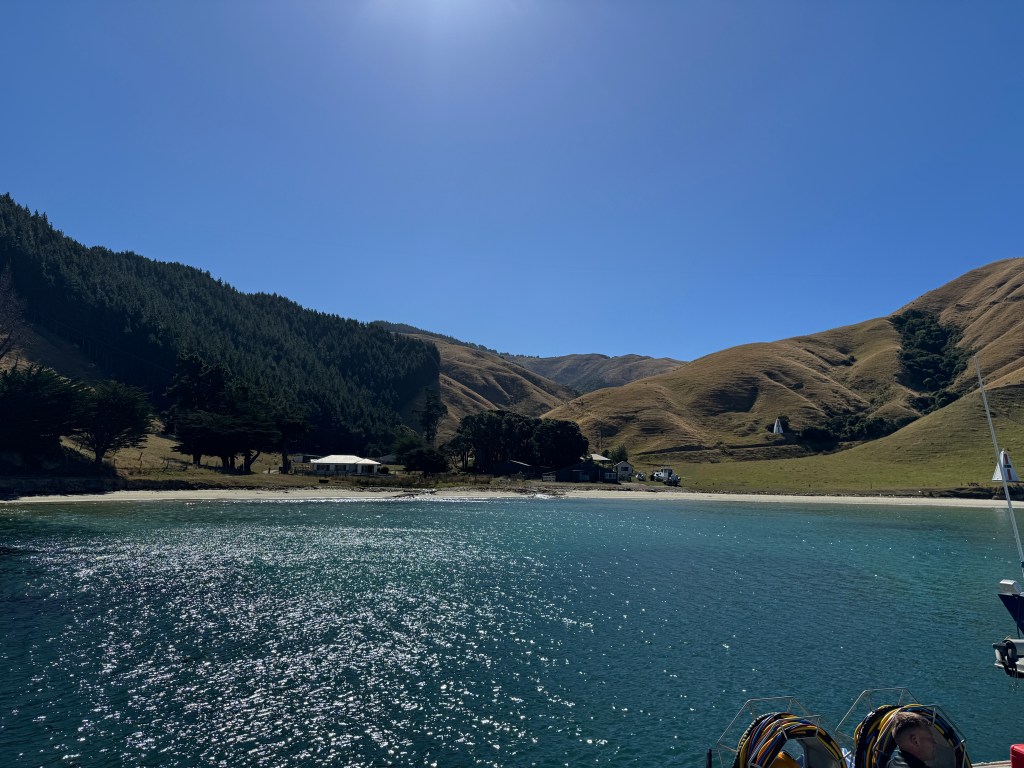
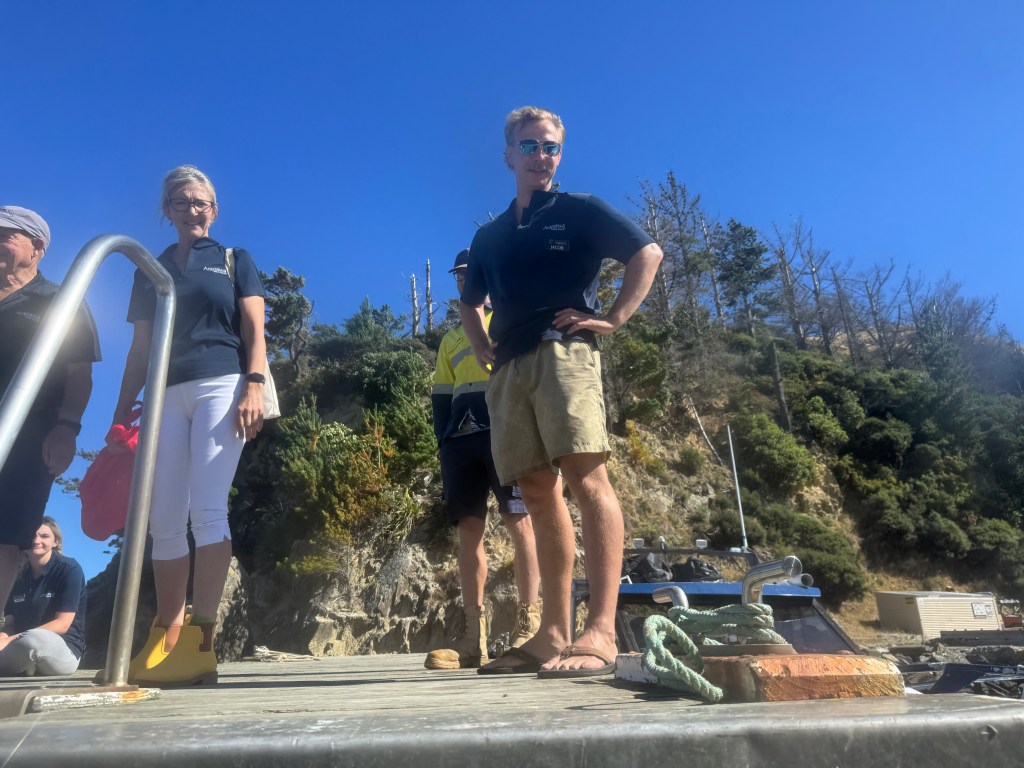
The water taxi was greeted at the small dock by the owners of the Paua pearl farm. The farm is located on a small bay with white sand, turquoise water and beautiful kelp forests.

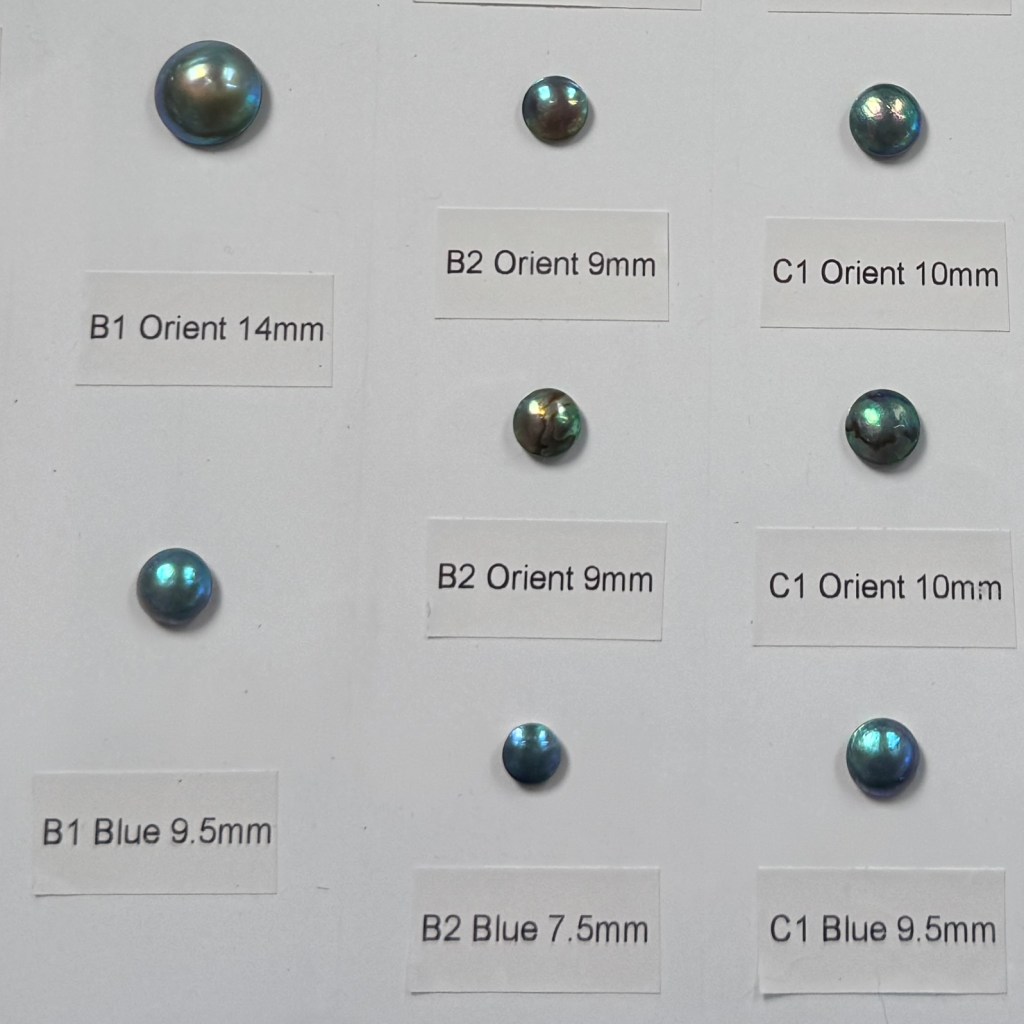
The “pearls“ grown on the island are actually Paua (abalone) and are created through similar techniques used to create pearls in oysters. After eight years, they are harvested, the ‘Pearls’ are carefully cut from the shell, then measured, polished, and graded. The meat is sold to local restaurants and fish markets, the guts are sold to local fisherman for bait, and the remainder of the shells are ground for a variety of purposes, so there is literally no waste.


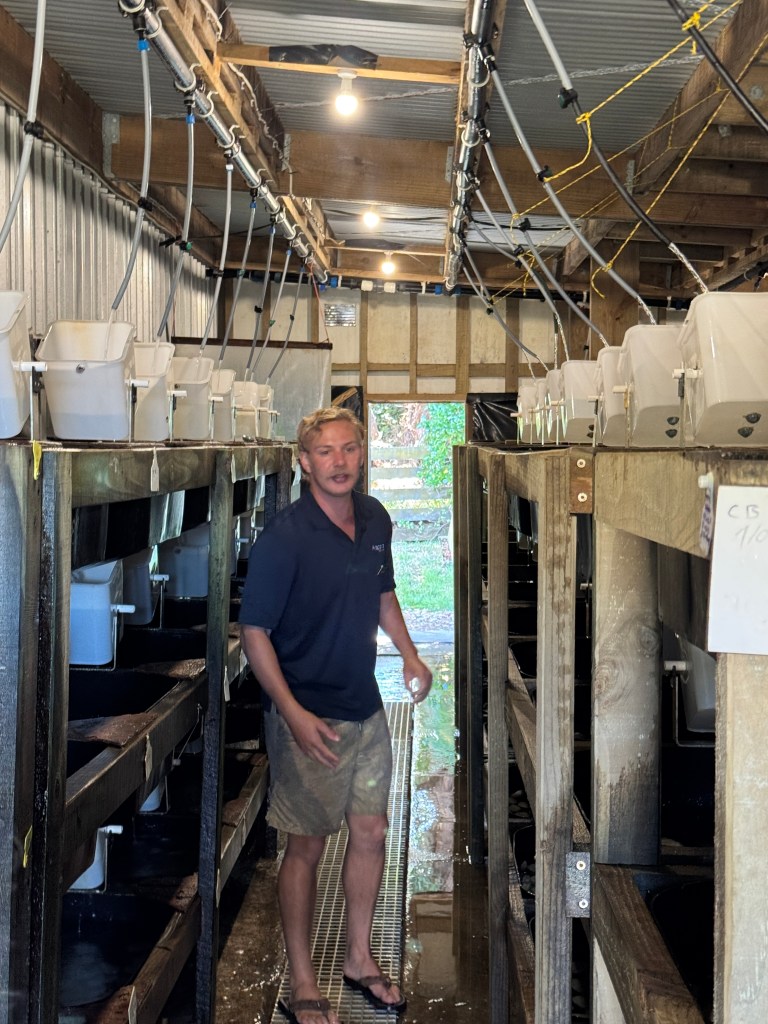
It was interesting to meet the various family members involved in running the different aspects of life and business on the island—the Paua tanks, jewelry business, marketing, managing the farm animals, maintaining the infrastructure, the nightly accommodations and the tourists that visit daily.
The water taxi ride back was much warmer, and the water was calm, so I sat on the back deck and watched the world go by until we reached the harbor in Picton.


 Travels with Nance