
Monday, March 11, 2019 – I’m sure others have “must haves” that differ from mine, but they may also have better memories than I, or actually pack in advance utilizing the concept of lists. Not my style.
Back to the topic, the one thing I would ensure was packed on future polar trips is CARMEX. It’s a critical element to polar survival. Well, at least polar comfort. I left mine at home. Every time I thought about getting a lip balm, the gift boutique was closed. Every time the gift boutique was open, I didn’t think about it. Finally, I remembered today, nearing the end of the cruise, and my lips have never been so happy! Even though its not Carmex, its soothing and nice and tastes pretty good, too. Ahhhh…
There’s always a bit of chaos preparing for the zodiac cruising. First there’s the layering of clothing, so its important to know the outside temperature to know if you need a base layer (silks or thermals), and just how many mid layers you should wear. The outer layer is obviously the most important, as it is waterproof, so it enables the base and mid layers to do their job of keeping you warm. Finally, on goes the life jacket, after which you trod down the hallway to your assembly area and join the 45 or so other people looking like yellow Michelin people. Definitely not a very flattering look, its hard to find your friends, and if you must wait too long to disembark the ship, its really easy to get overheated. So before you start getting dressed, there’s usually an announcement and a note on the daily program to let you know if you’re just going for a landing, or if there will be a longer zodiac trip before or after the landing. If its just a landing, the rides are usually short, so less gear is required. If there’s a zodiac cruise before or after the landing, more layers are better, as its really easy to get too cold when the zodiac is traveling fast and kicking up spray. Its quite a preparation process, and quite frankly, when you have to go through it two or three times a day, its pretty exhausting!
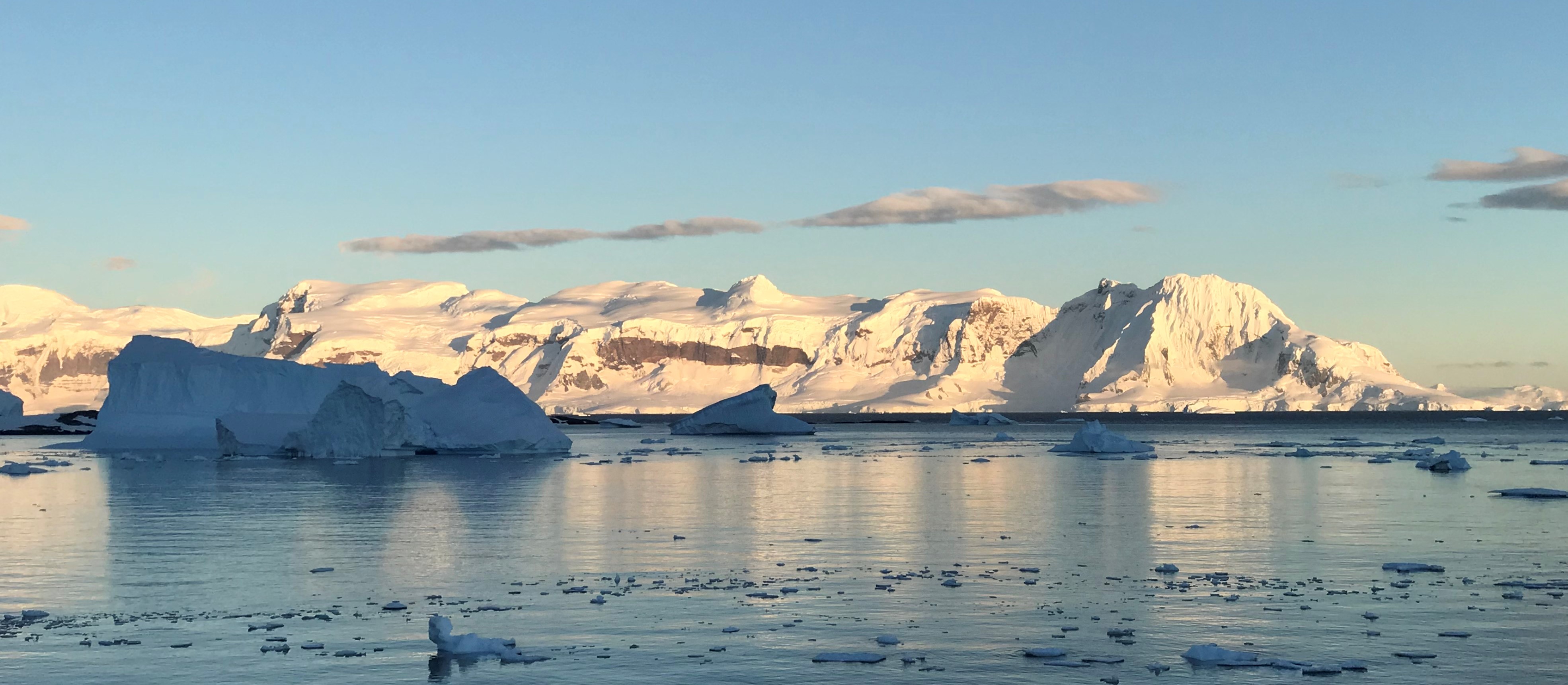
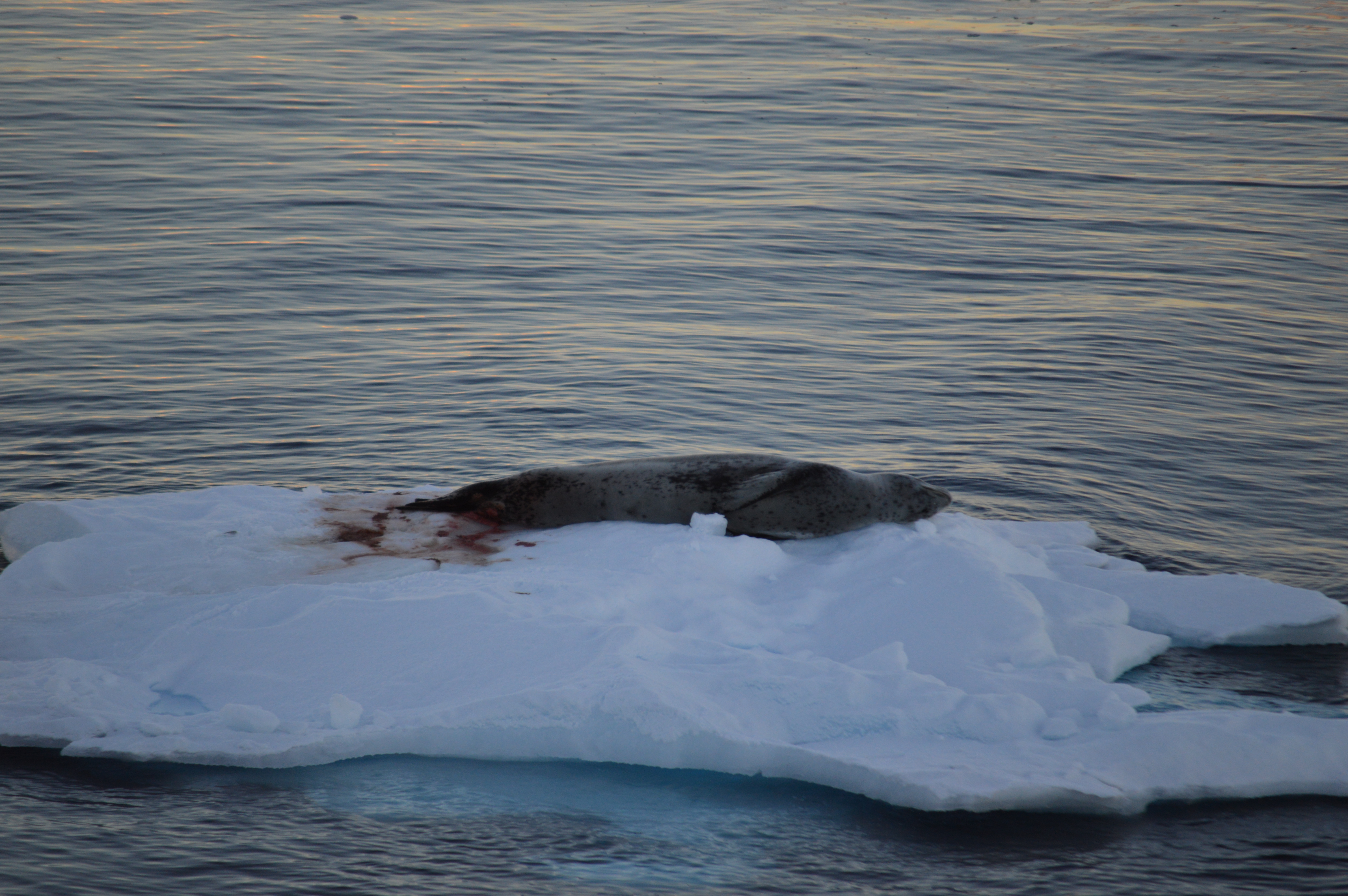
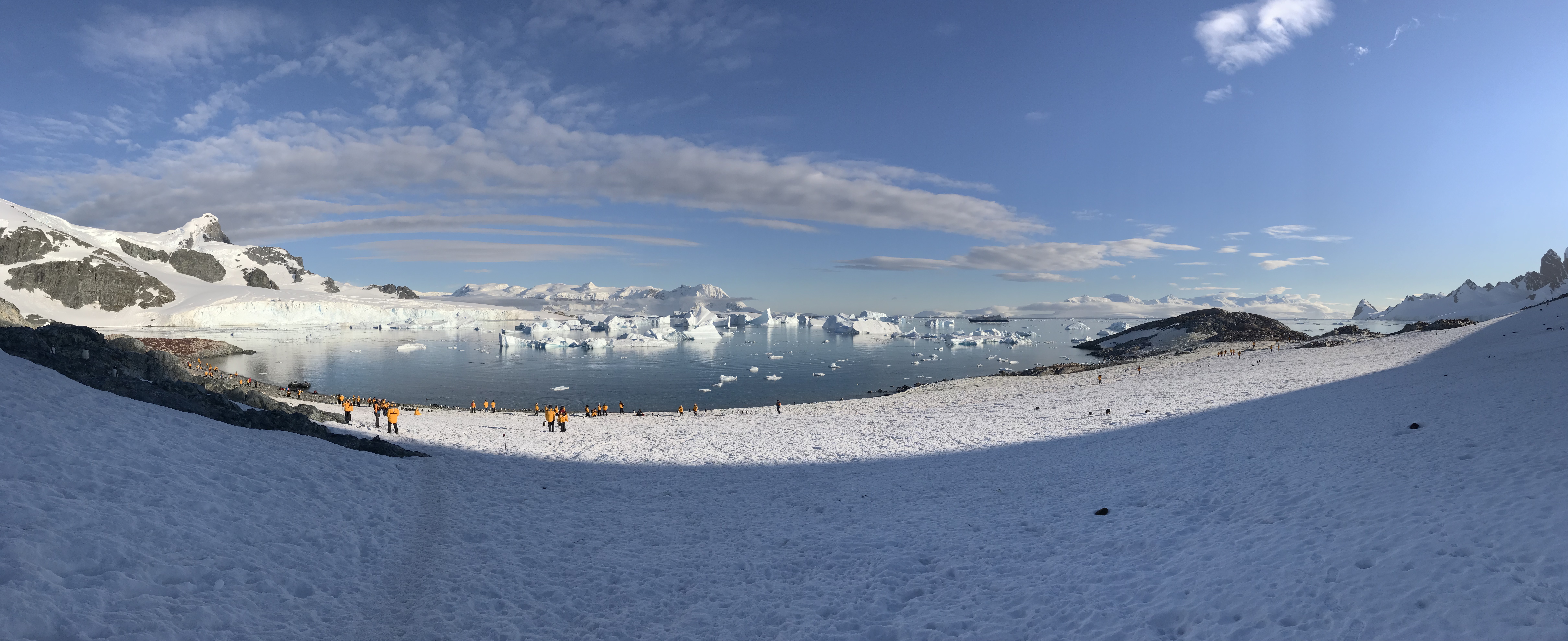
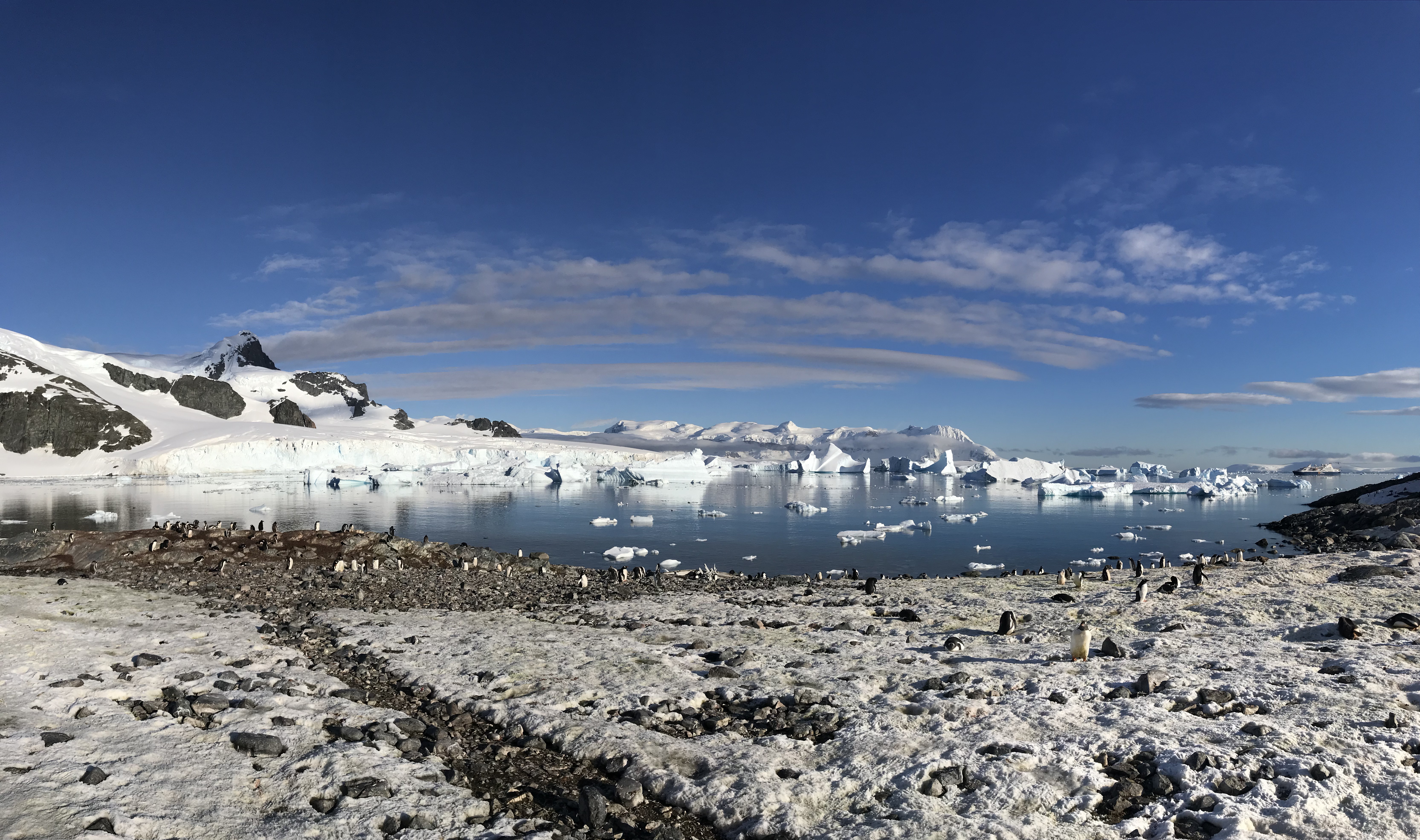
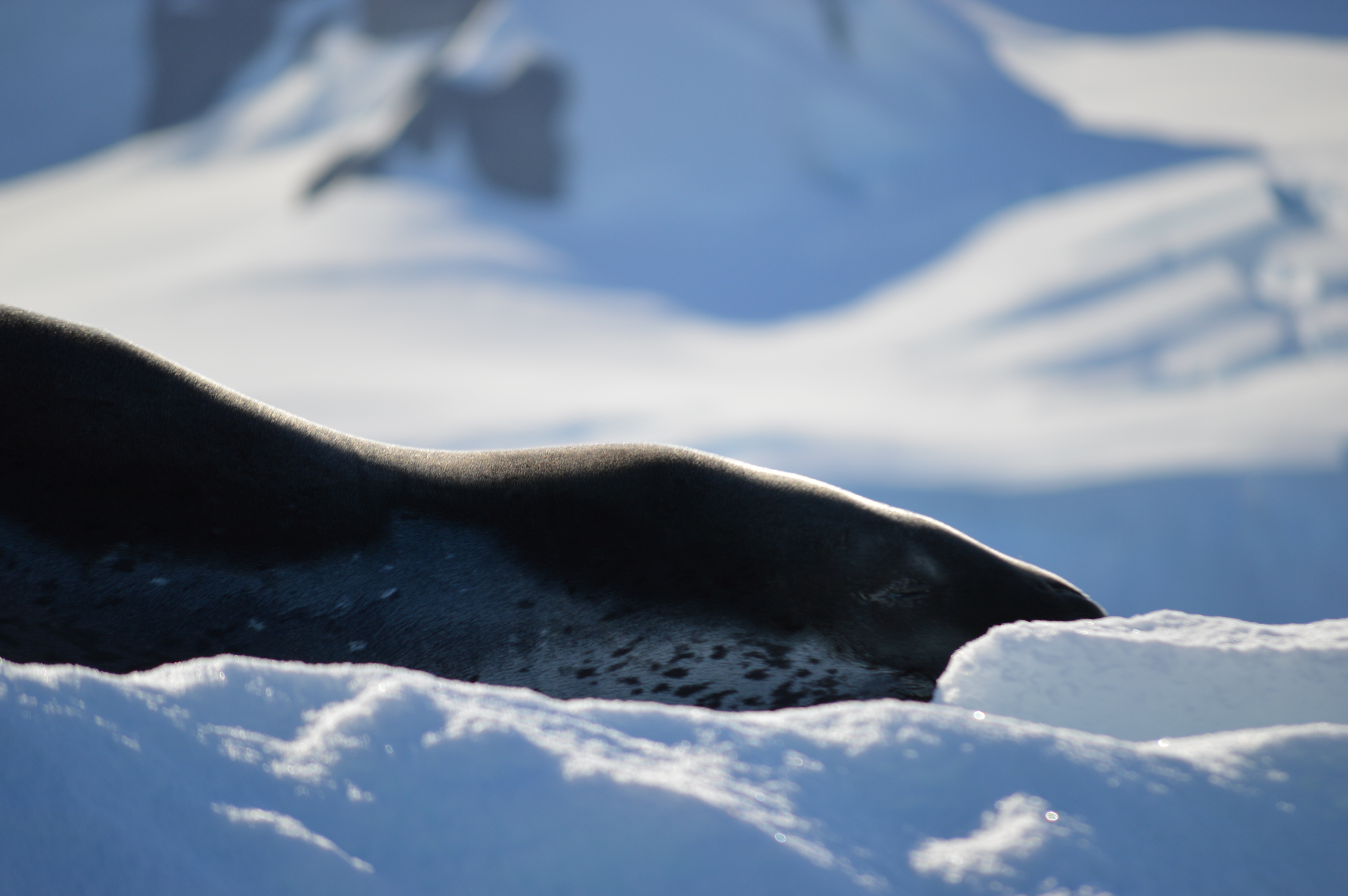
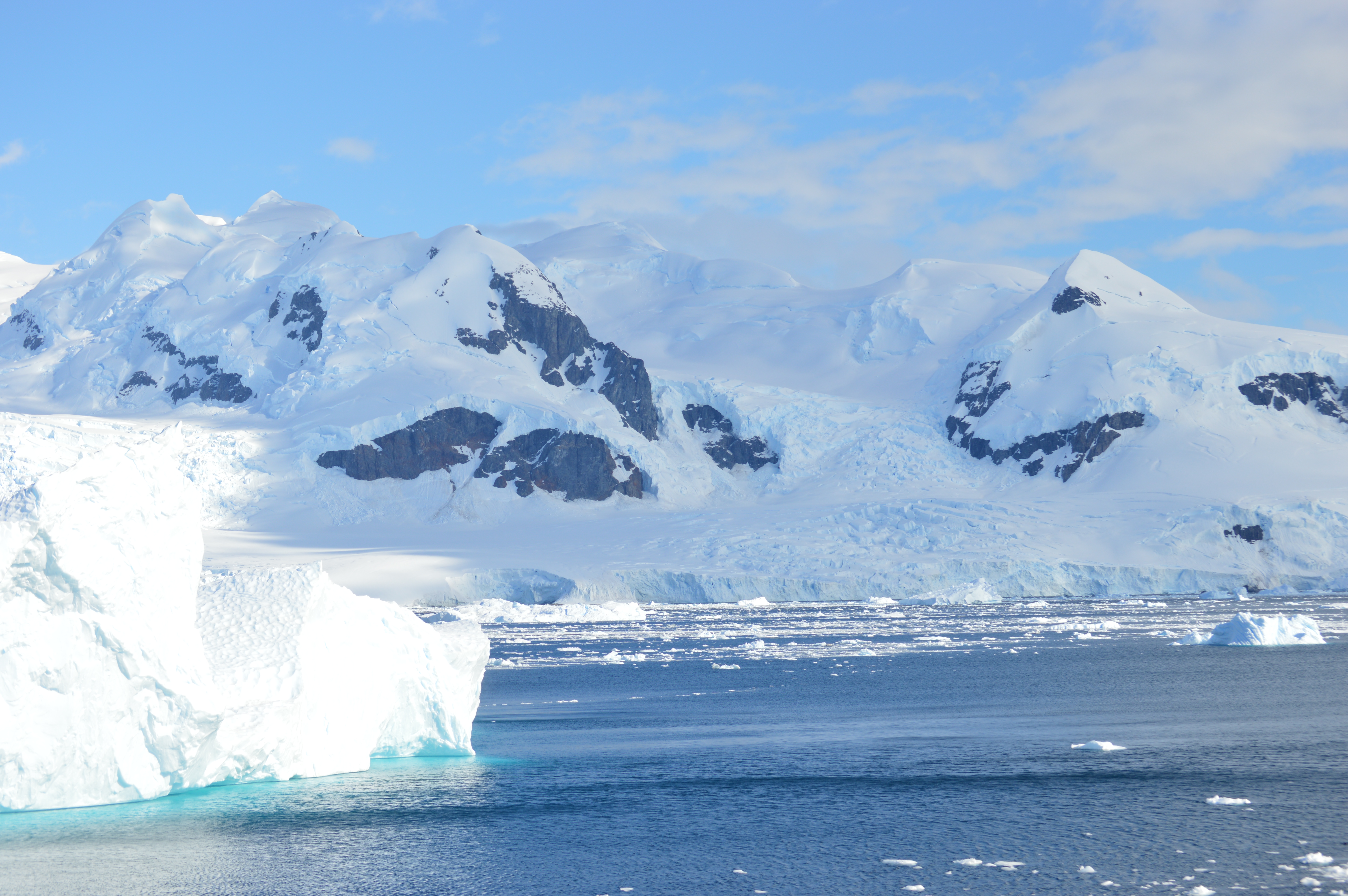
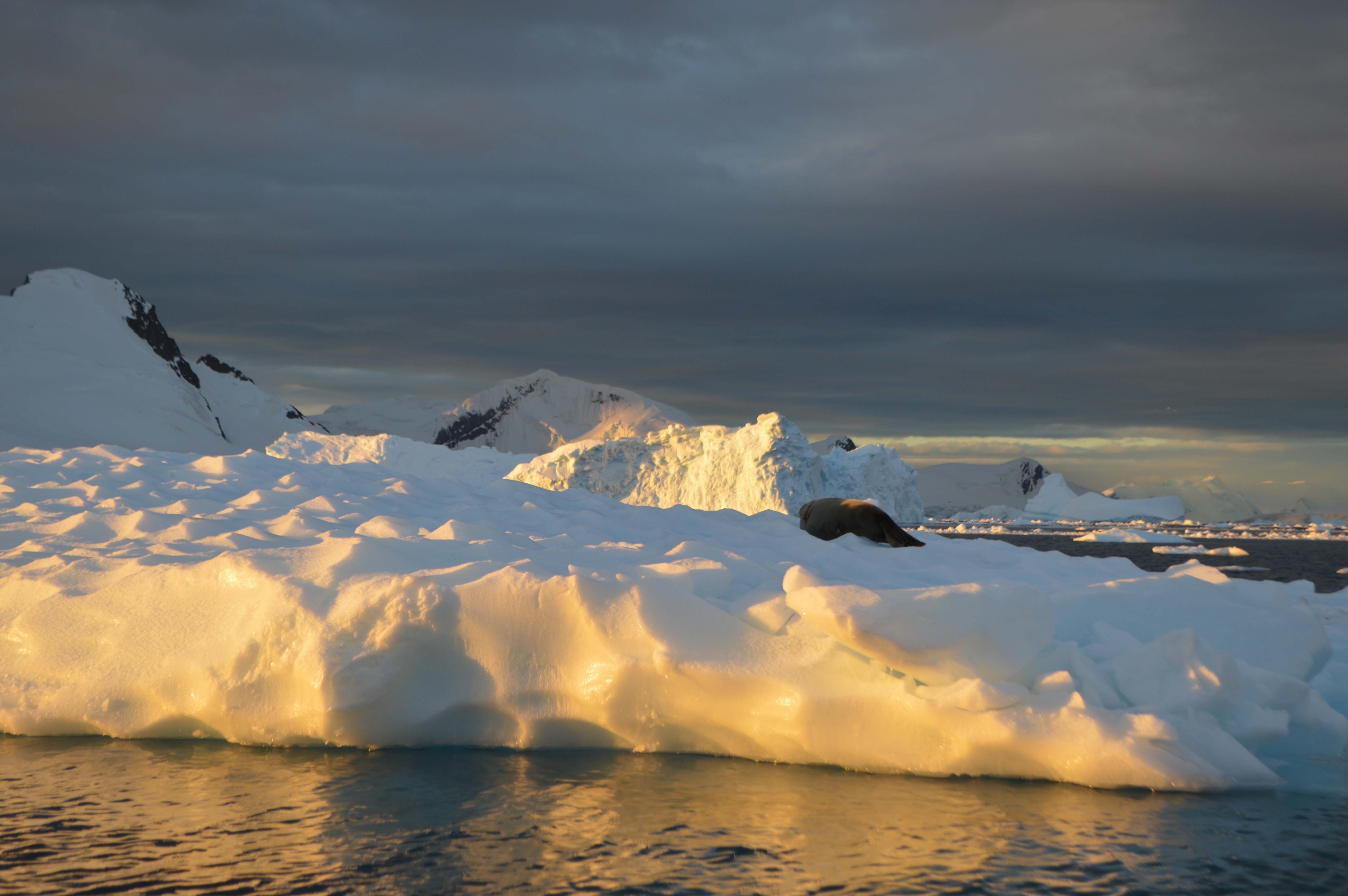
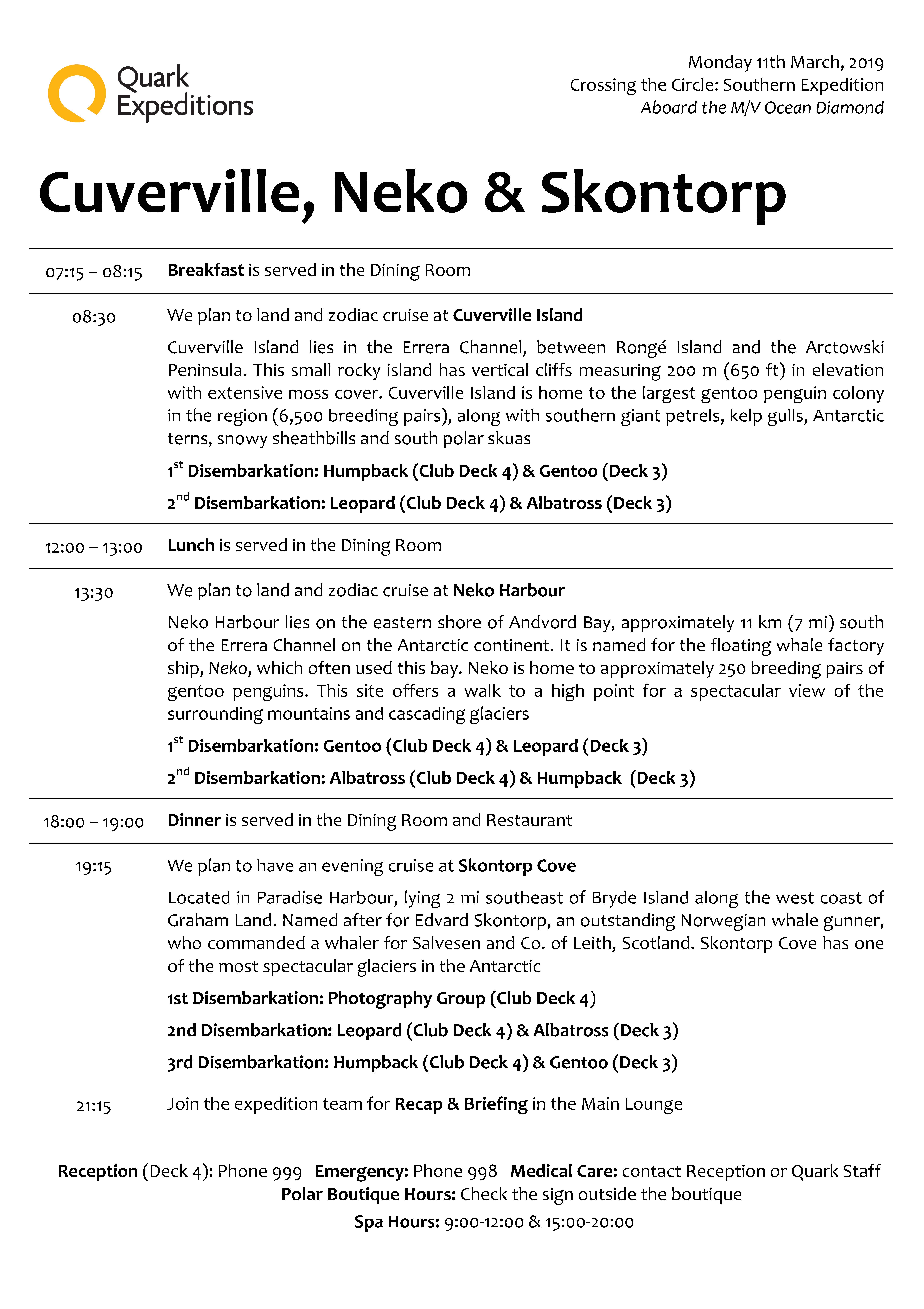
This morning we are at Cuverville Island. There is virtually no wind, and thus, the sea has a mirrorlike quality that’s really beautiful! As the ship was dropping anchor, there was a Leopard seal just lounging on some sea ice. This island is home to one of the biggest colonies of Gentoo penguins in this region of Antarctica, and that fact is obvious from the foul air as we approach the landing. Those penguins are sure cute, but their colonies are definitely smelly! They are also a favorite food source for the Leopard seal. The zodiacs in front of us saw a Leopard seal take a penguin out of the water. I’m sorta glad I missed that, as its pretty gruesome and likely something I could never unsee!
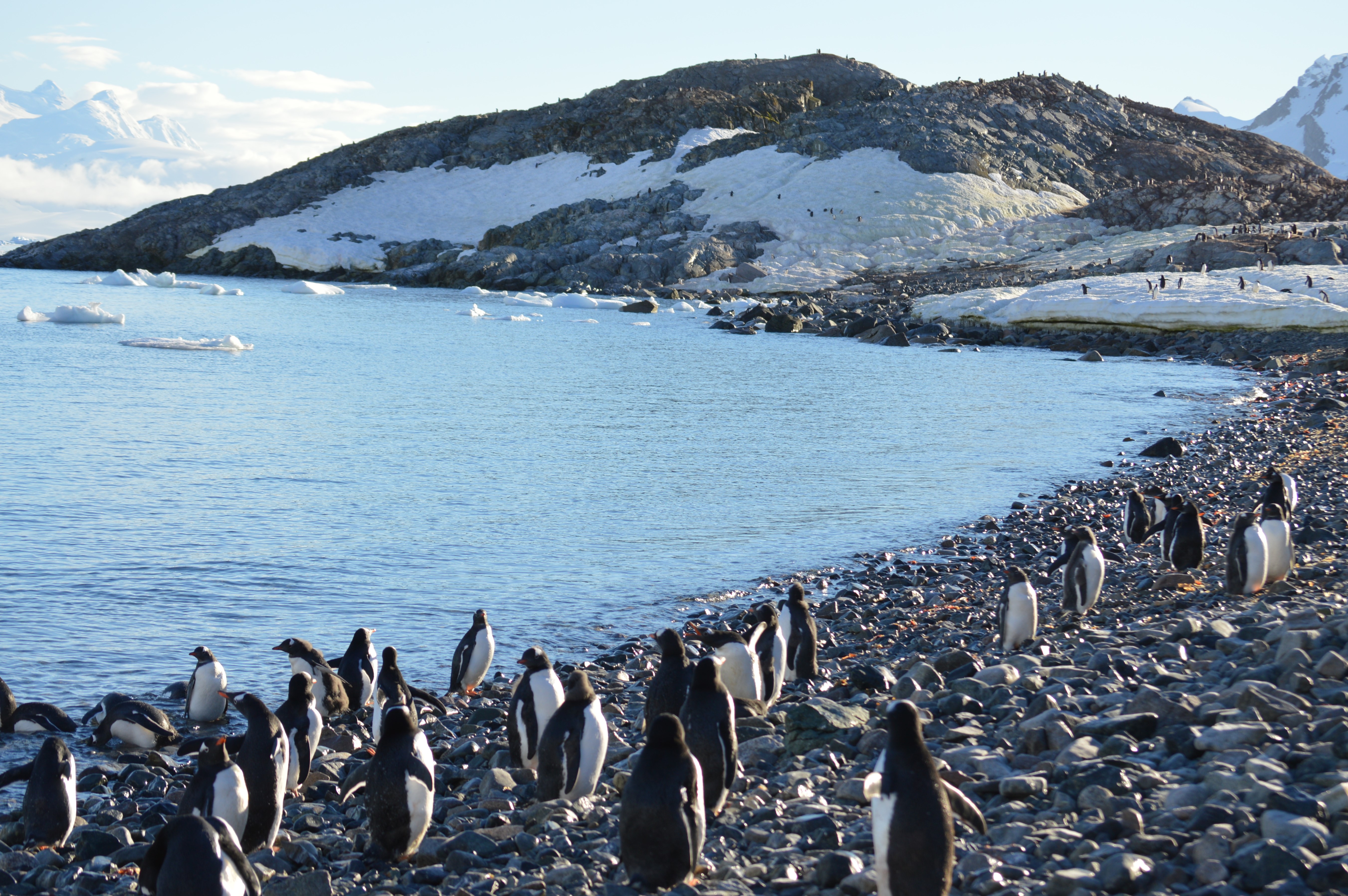
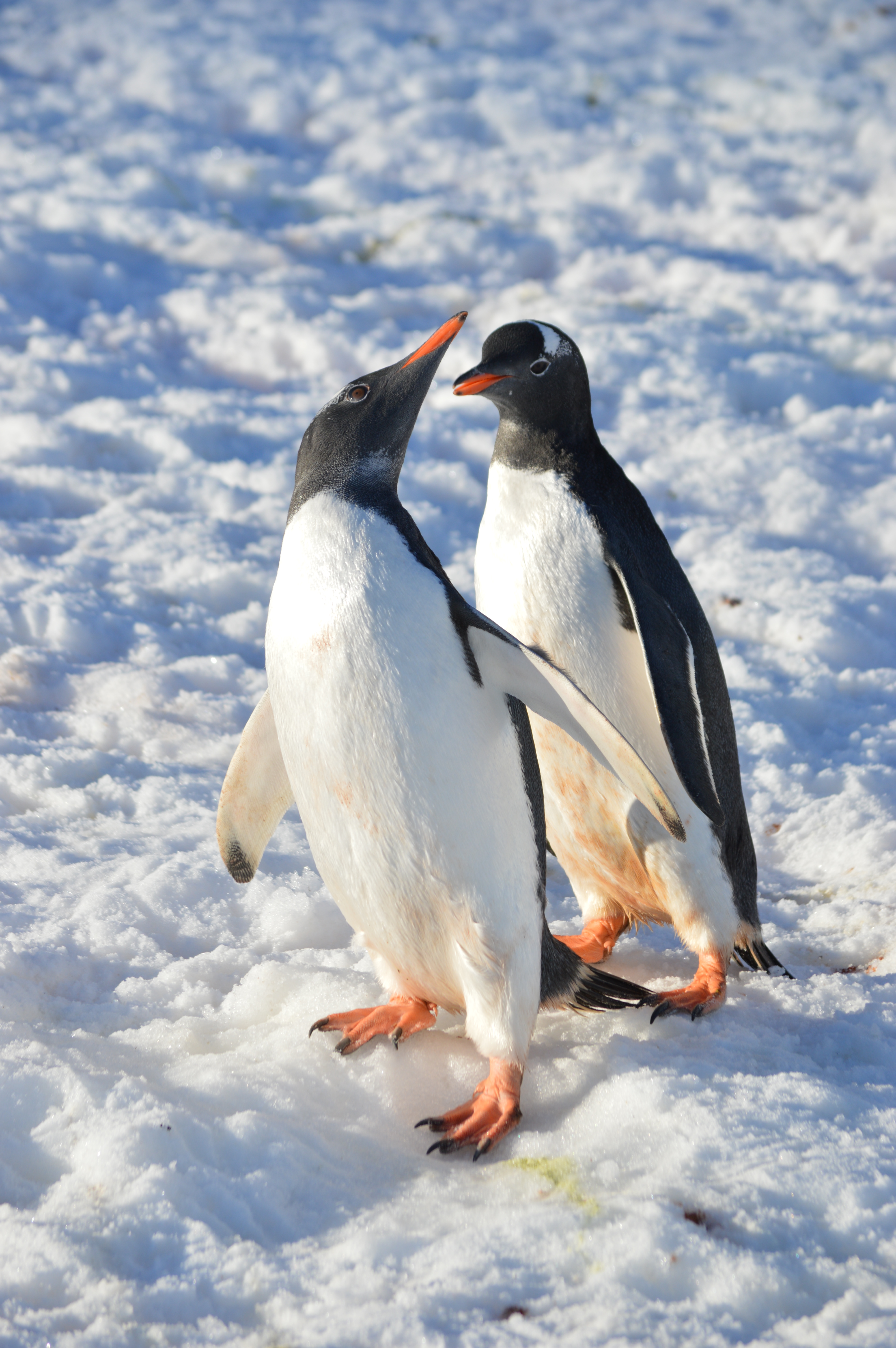
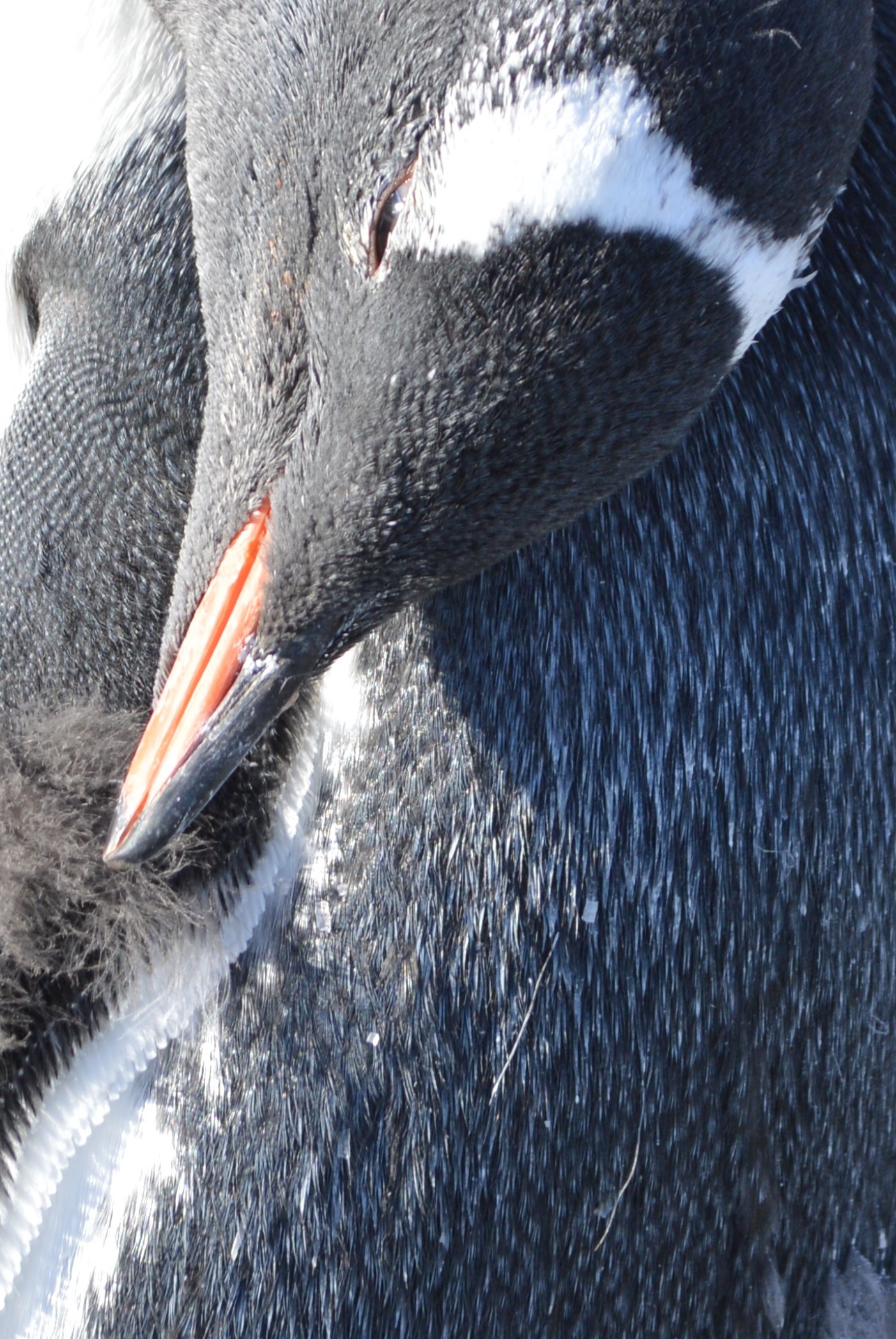
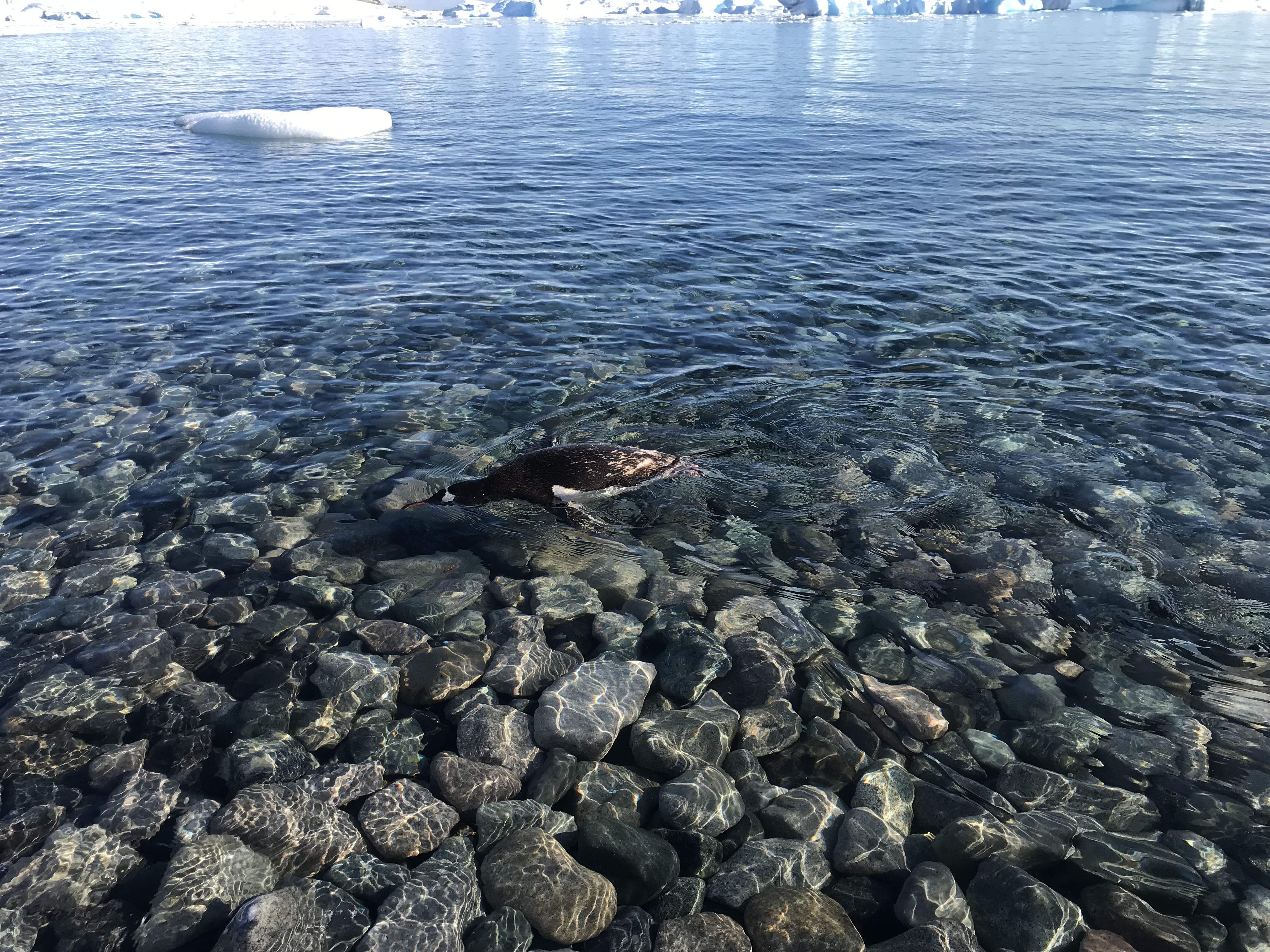
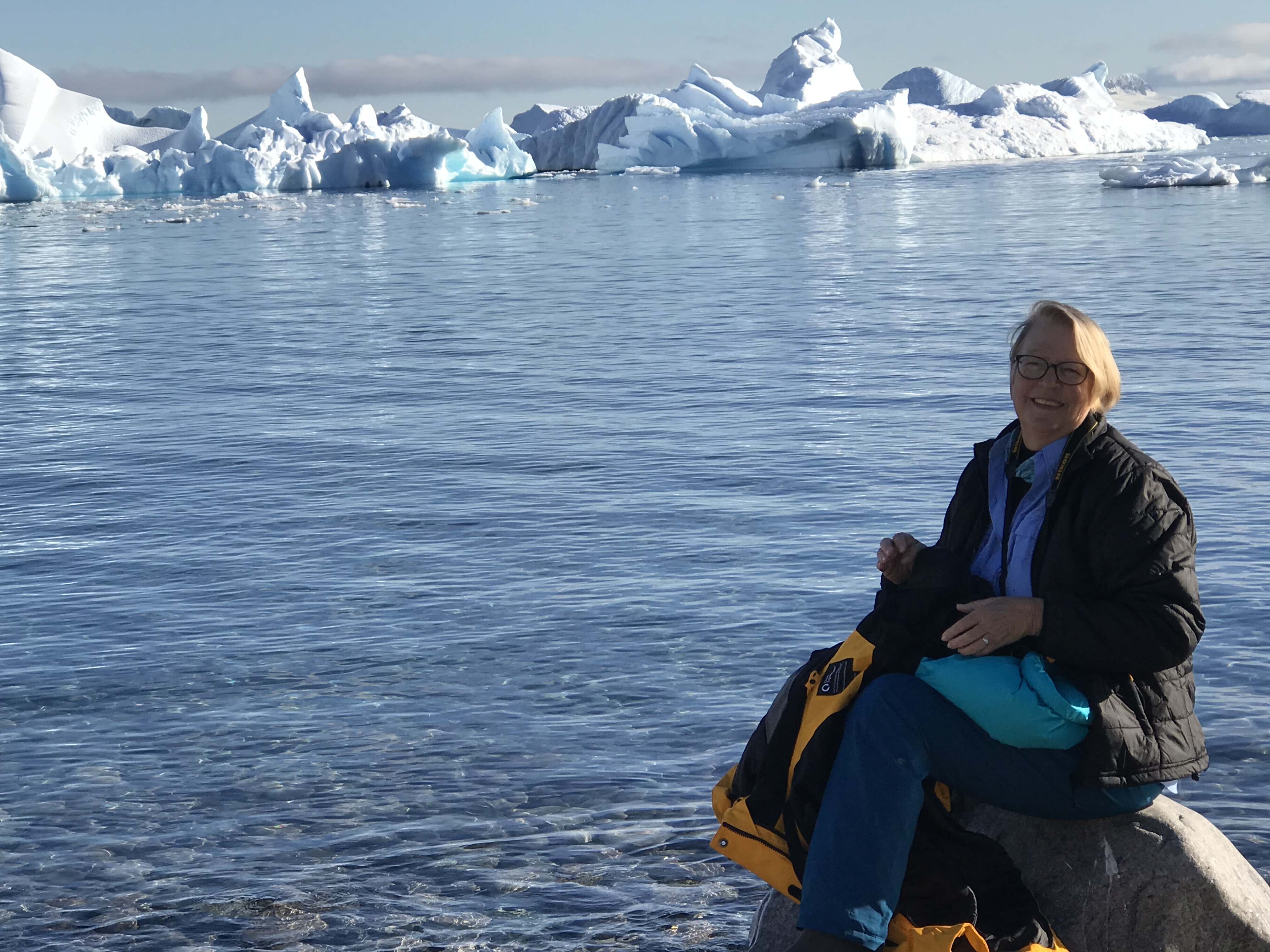
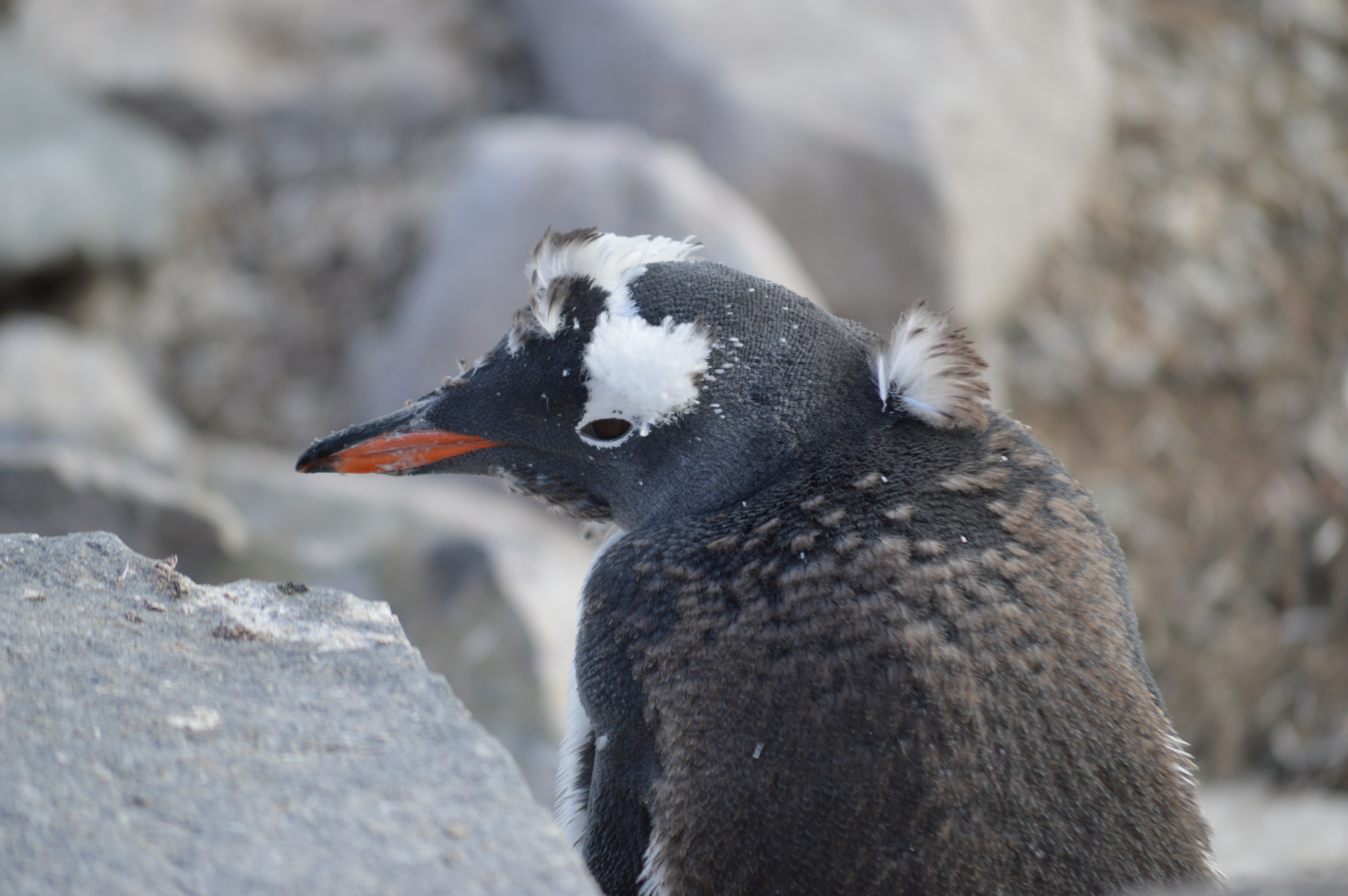
Most of the penguins we’ve seen are in some stage of molting. Some are completely finished, and others are just starting. The ones that look the funniest are those somewhere in between. The have some furry looking old feathers trying to drop off, and beautiful sleek new feathers have grown in underneath, just waiting to be exposed.
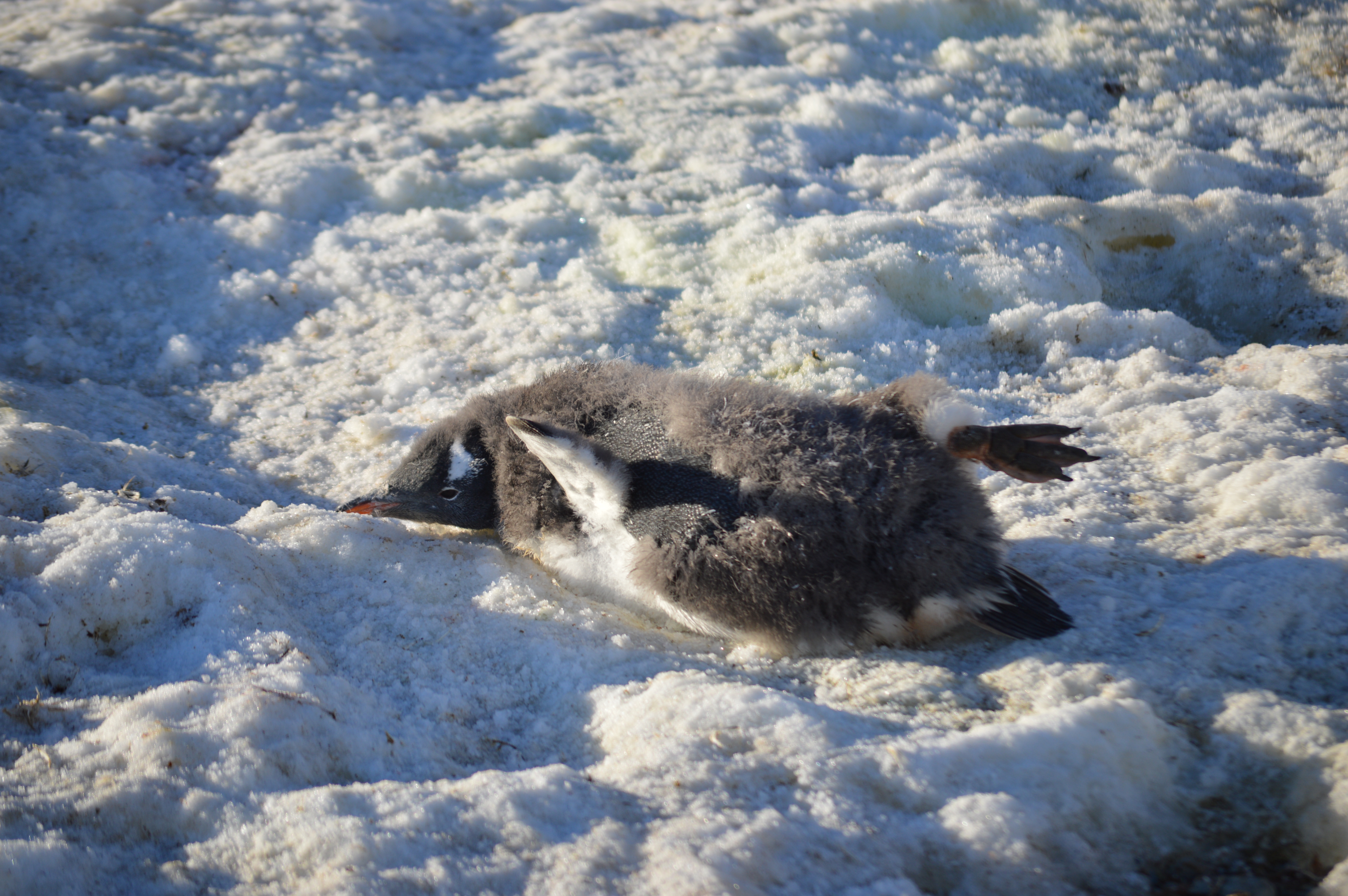
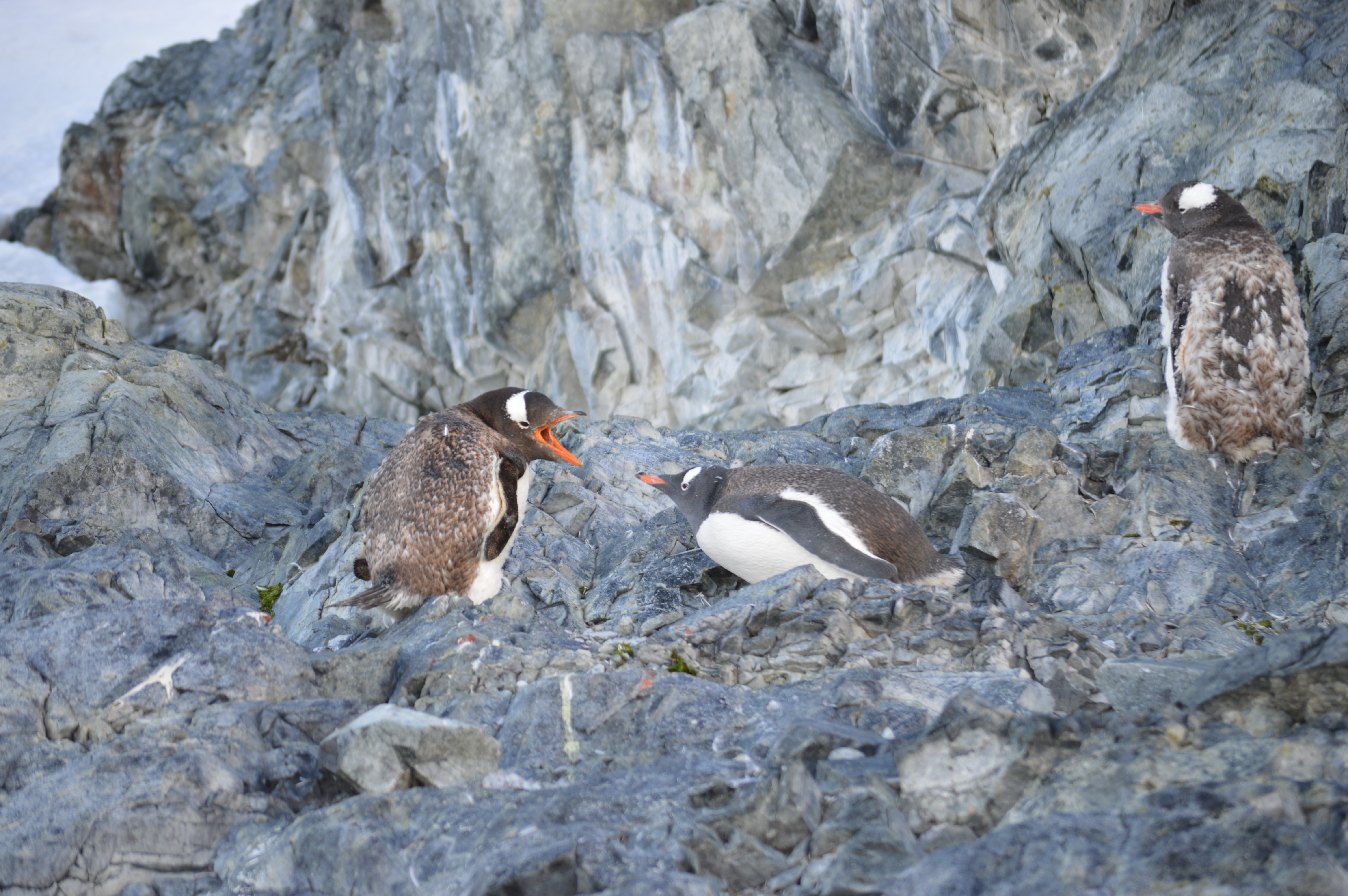
The penguins are not waterproof while they are molting, and the molting process takes about 2-3 times as much energy as just being… They are the cutest creatures no matter what state! Almost all of the sites we’ve visited have had evidence of molting. Sometimes the penguins create a little crater in the snow and ice, and just lay there for a while, as evidenced by a layer of feathers in the crater and poop marks in various directions. Mostly, there are just feathers scattered about. The feathers themselves are pretty small, at least on the various brushtail species we seen—only about 1” long! They have a quill like center with a more feathery black top half which provides the waterproofing. The bottom, near where it attaches to the skin, has a small wool-like material that provides the insulation to keep them warm.
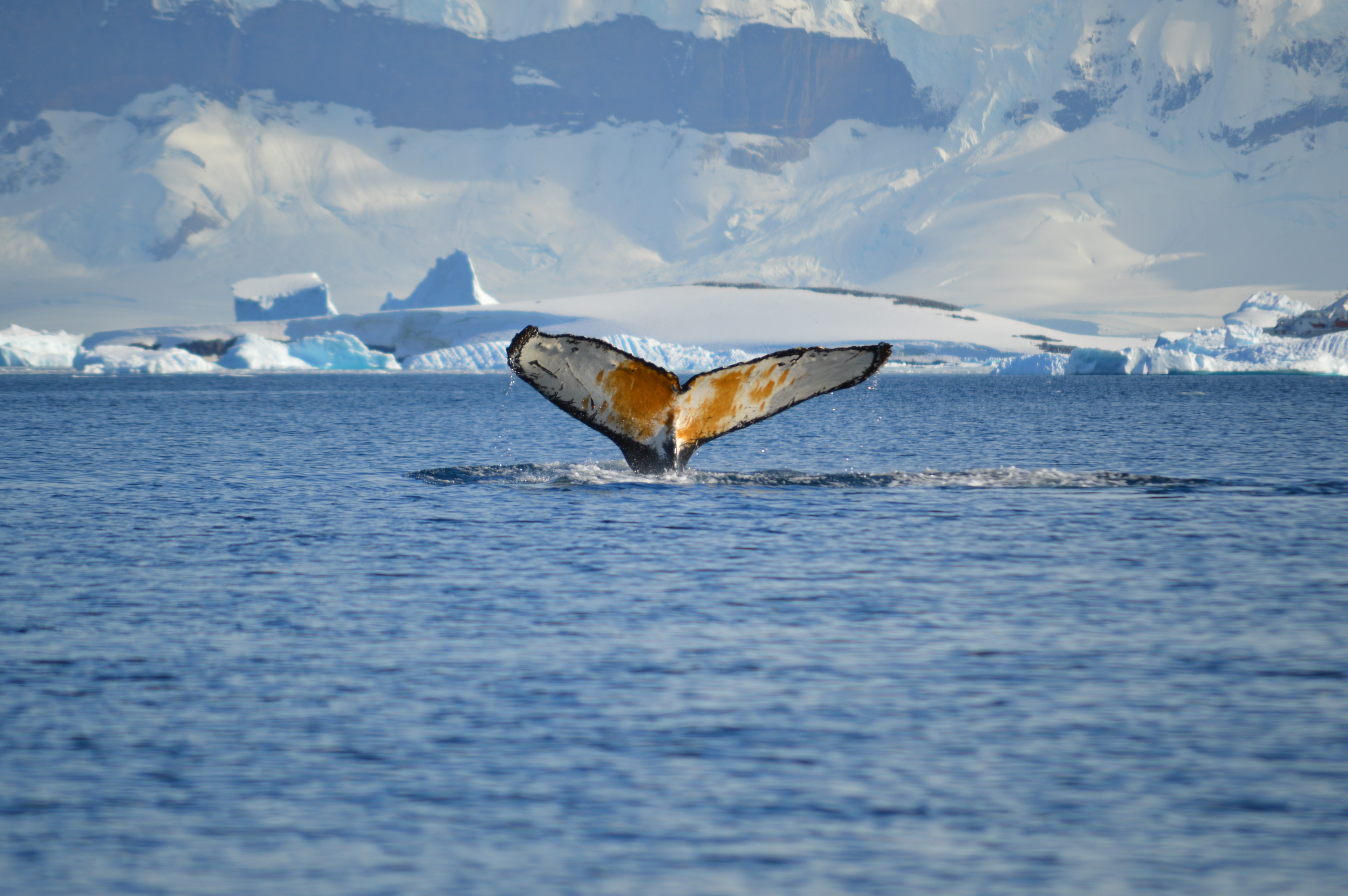
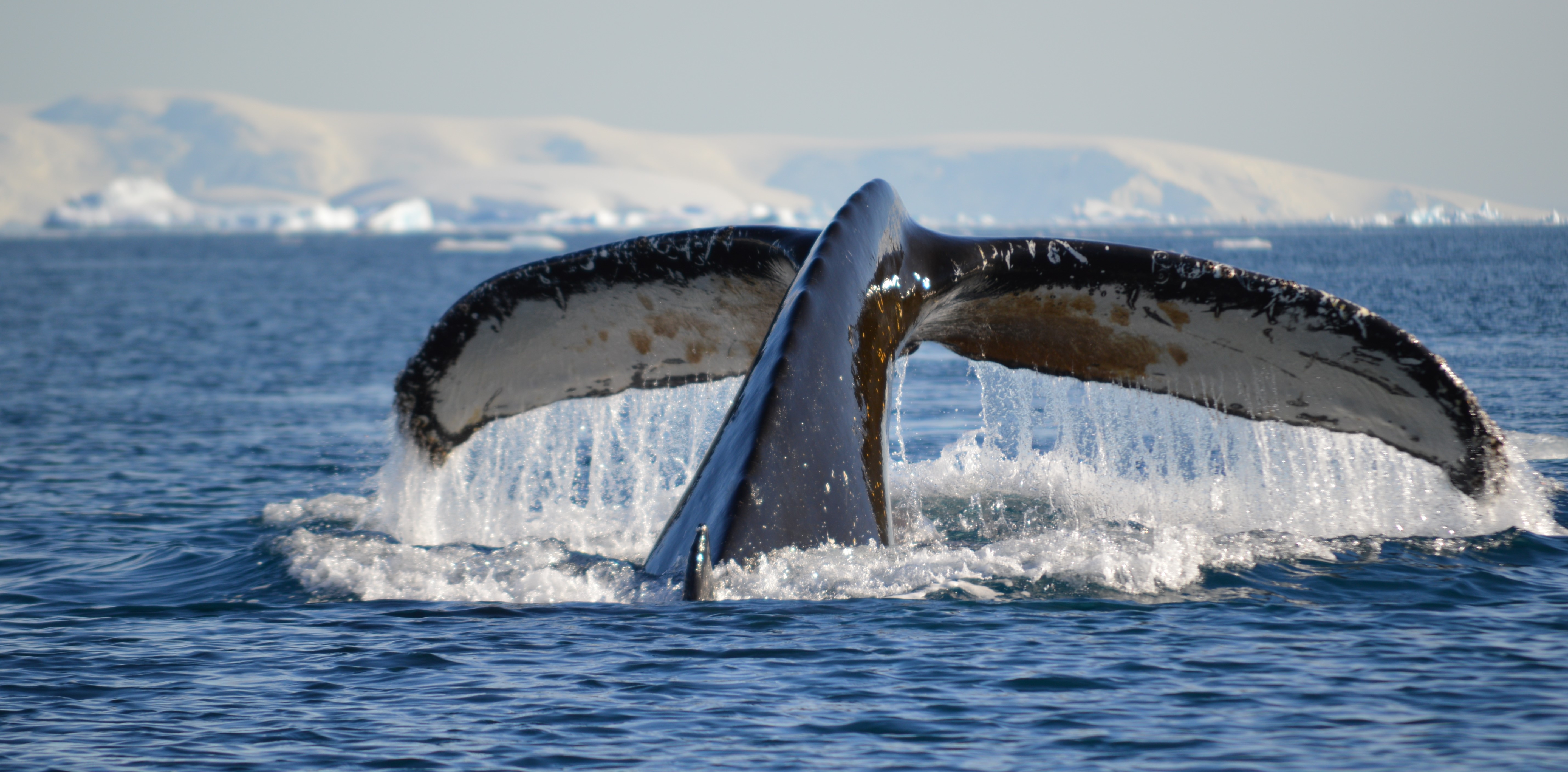
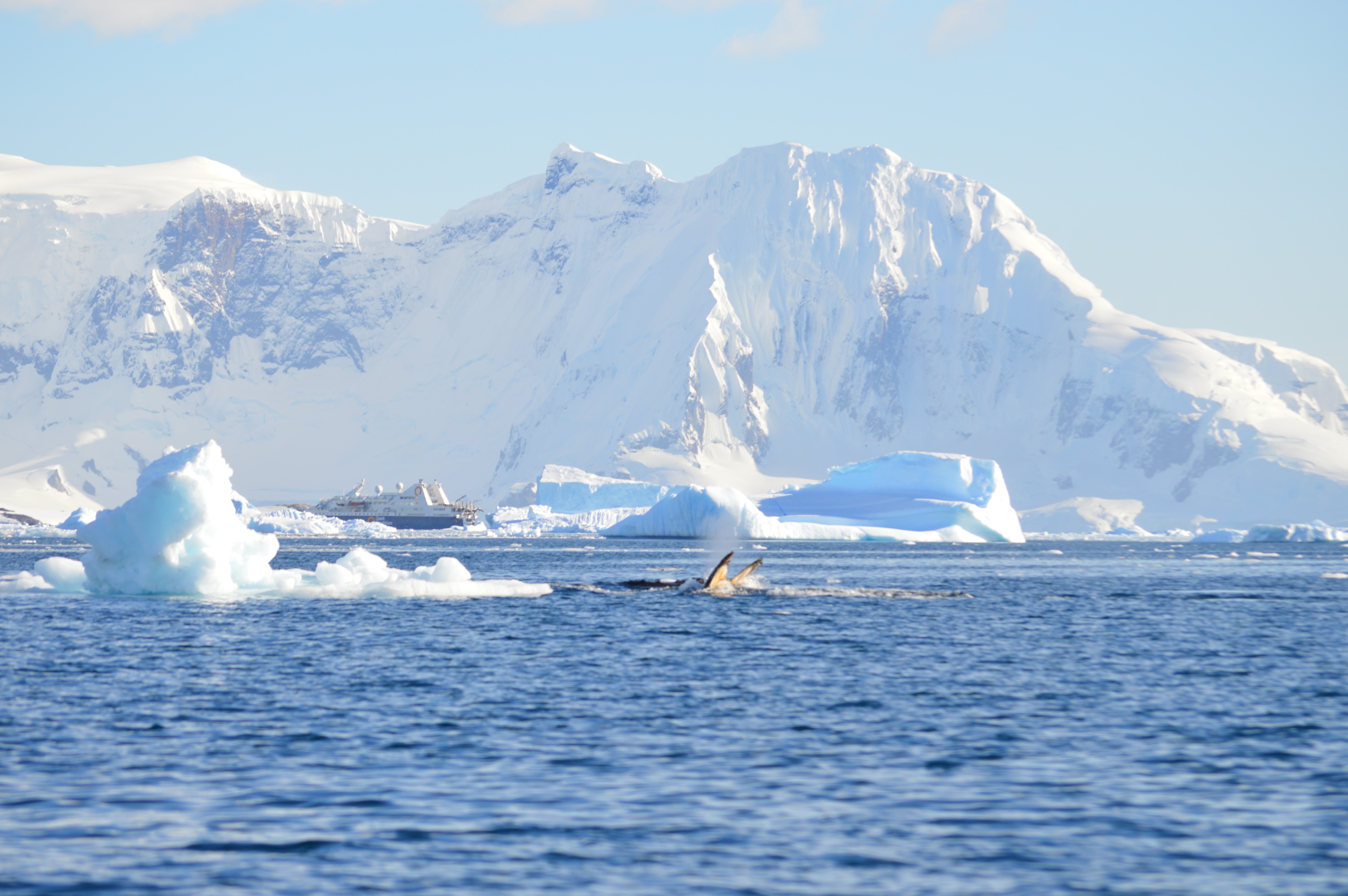
We left Cuverville and went for a long zodiac cruise. The guide had been out earlier and seen some humpback whales, so we went on a missions to locate them and try to get some pictures. As you may know, they humpback dorsal fin is pretty insignificant, so the easiest was to spot them in the distance is by their water spout. We found a couple of small groups and the guide killed the zodiac motor, so we could just float around in their area without disturbing them. One small group was a mother and calf, and a third, presumably male, whale known as an escort. One theory of the escorts is that they provide protection for the mother and calf until the calf matures and separates from its mother, at which time the male mates with the once-again solo female. I got a couple of good photos of the flukes, and learned a lot about humpback behavior. And we saw a lazy leopard seal on the way back to the ship! Great morning on smooth waters.
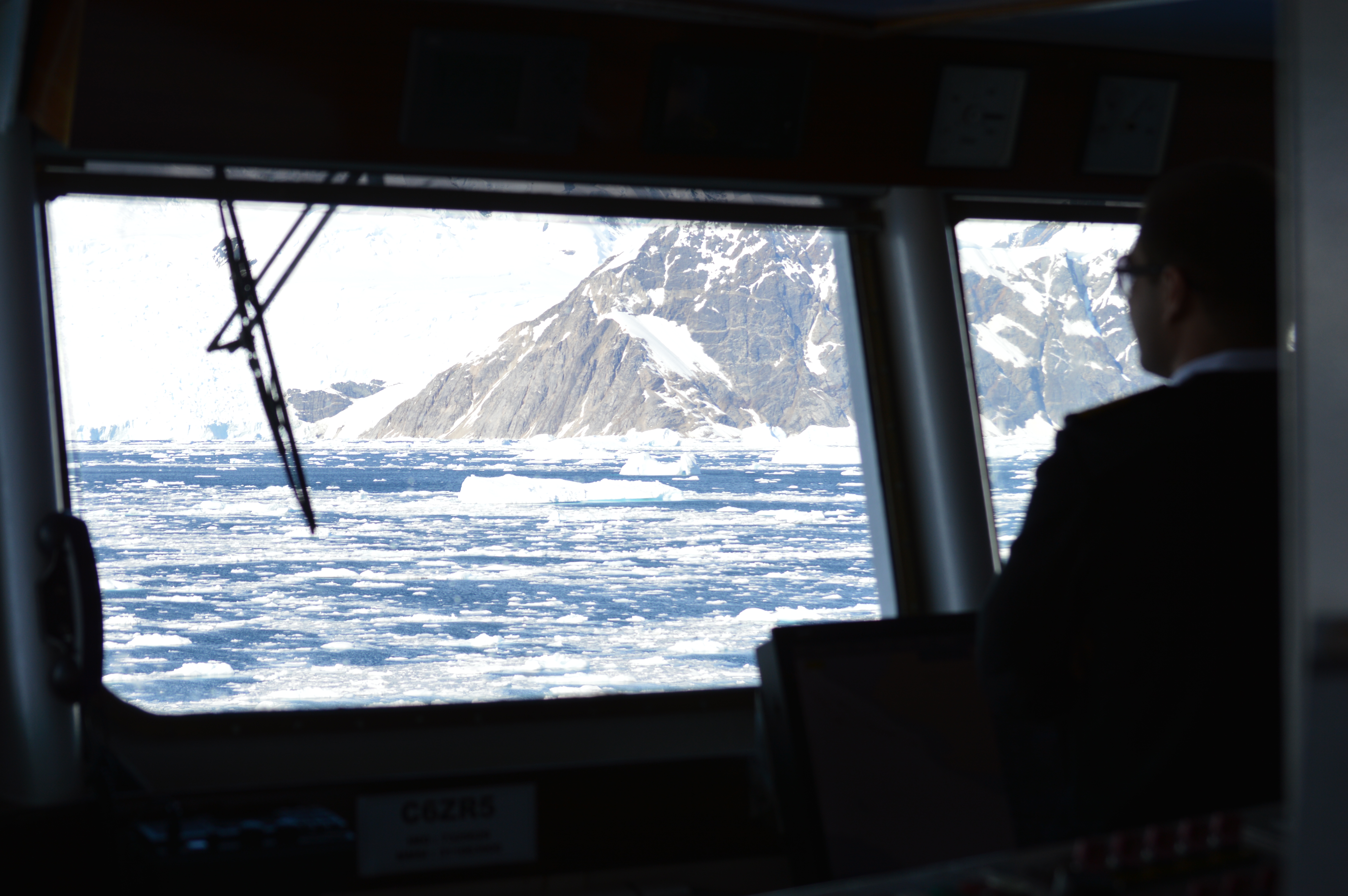
We reembarked the ship, pulled anchor and set sail for our next destination, Neko Harbour, named for an old whale factory ship called the Neko. Conditions were almost completely opposite of those at Cuverville, with high winds and big, choppy seas. I went to the bridge, which the captain keeps open for passengers, for this part of the voyage.
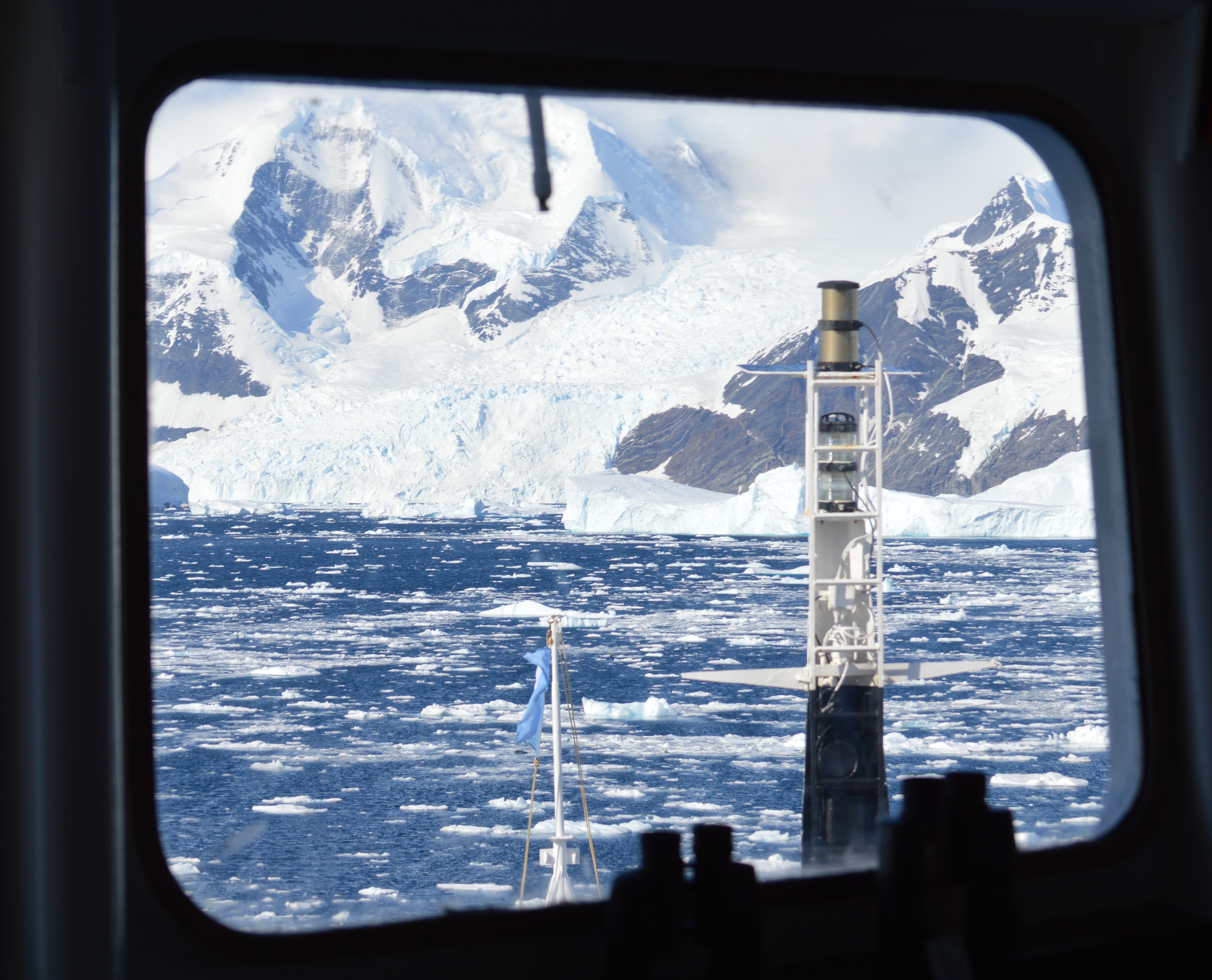
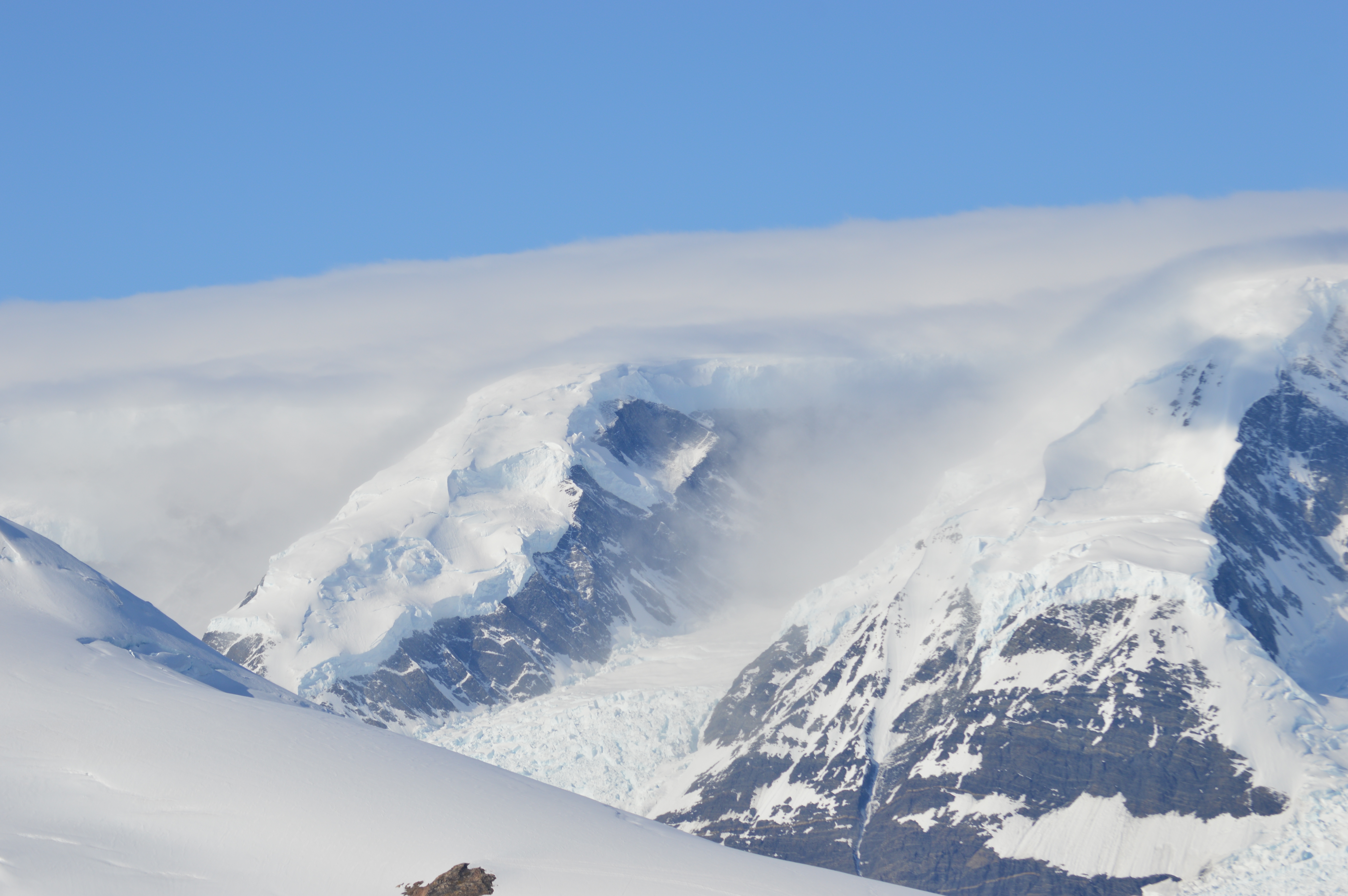
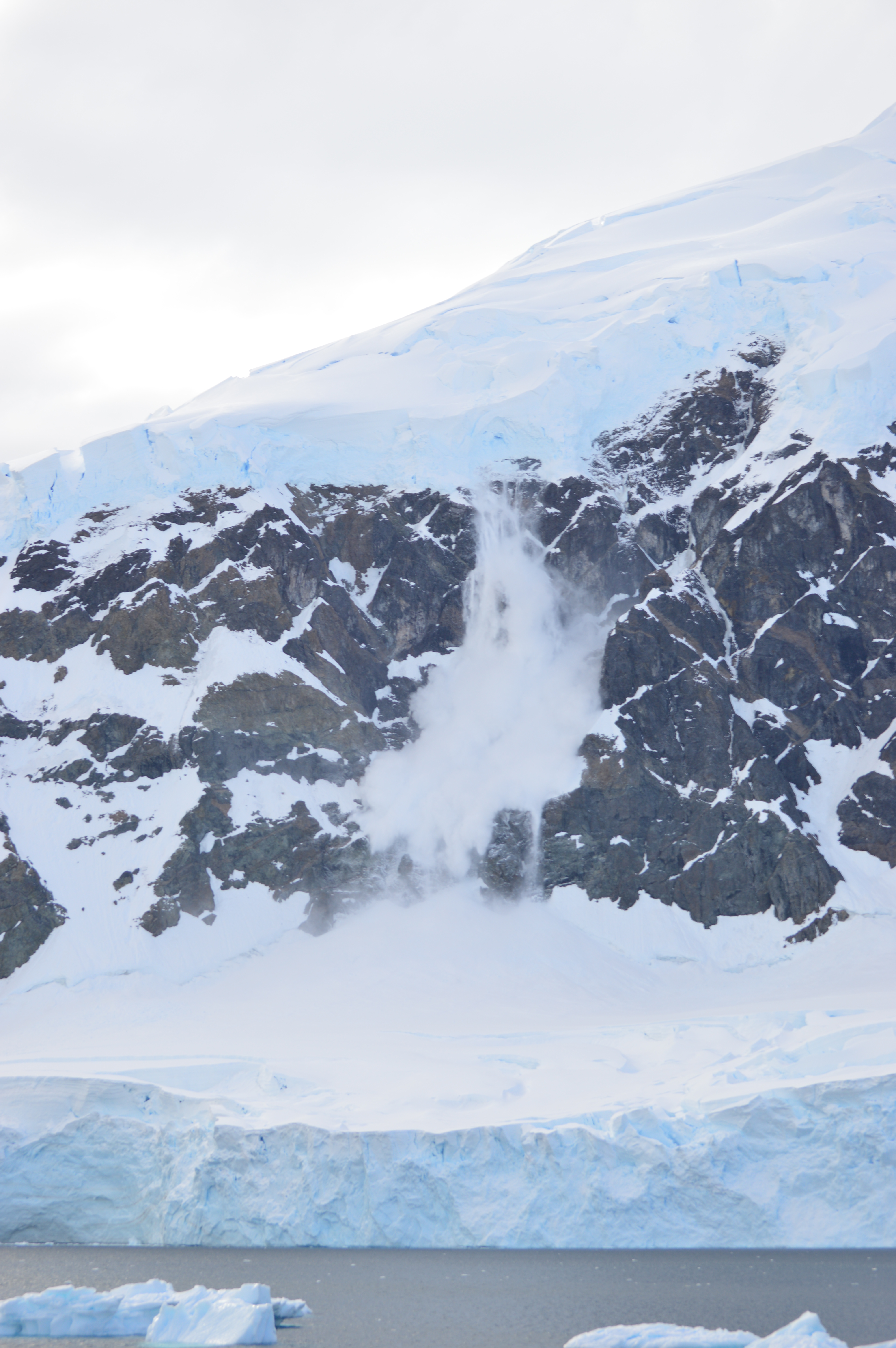
The landing area at Neko was a bit difficult. We had to immediately move off the beach to higher ground, due to several frequently calving glaciers nearby that can swamp the beach with tsunami-like waves when calving occurs. And in fact, there was one small calving episode while we were there, but not big enough to send a wave across the bay. The more spectacular sighting was an avalanche from a hanging glacier high up on the peaks across the bay. There were three separate icefalls over a period of about 5 minutes, and mist hung in the air for another 15-20 minutes near the avalanche site. Fun to watch—from a distance!

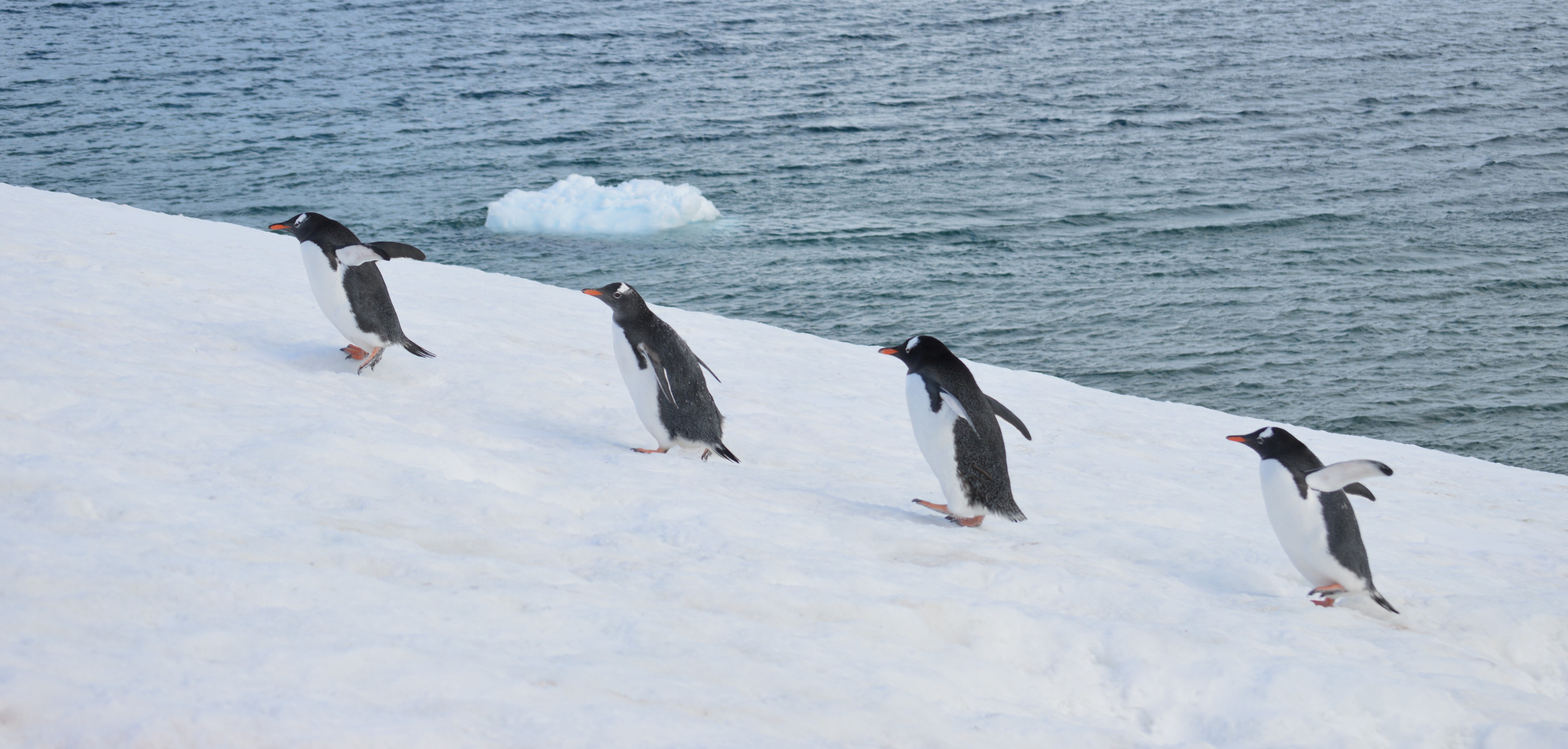
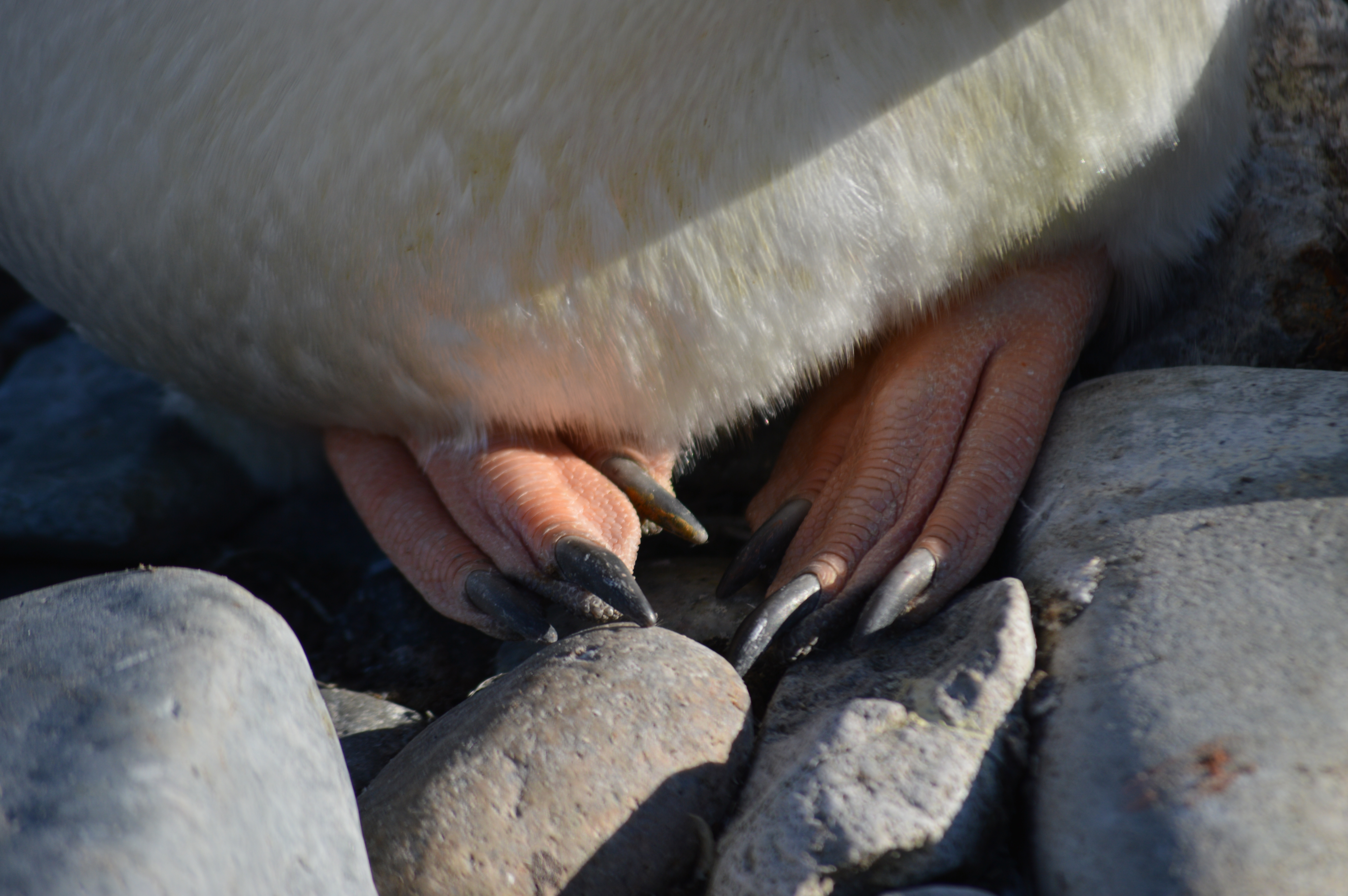
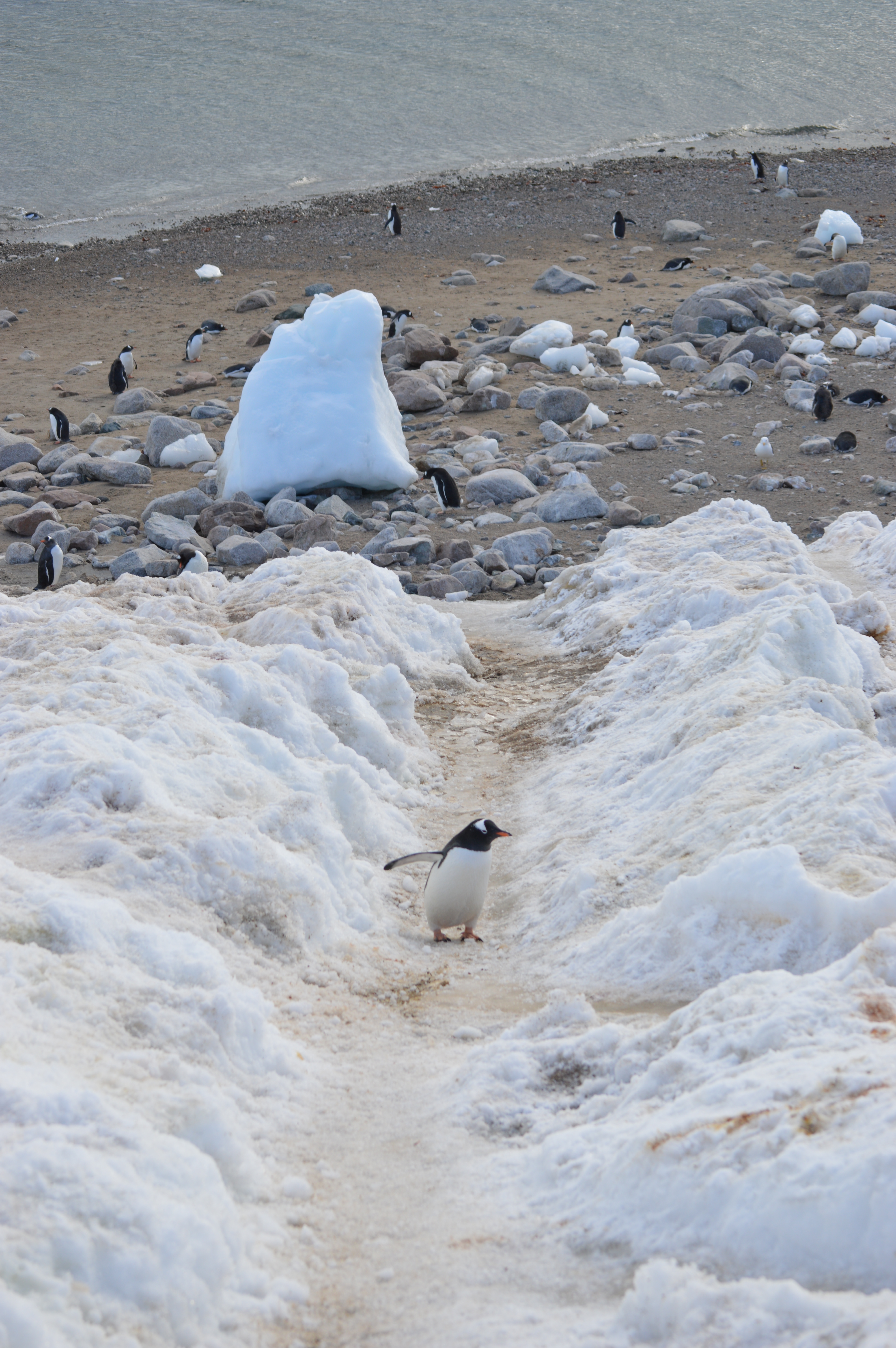
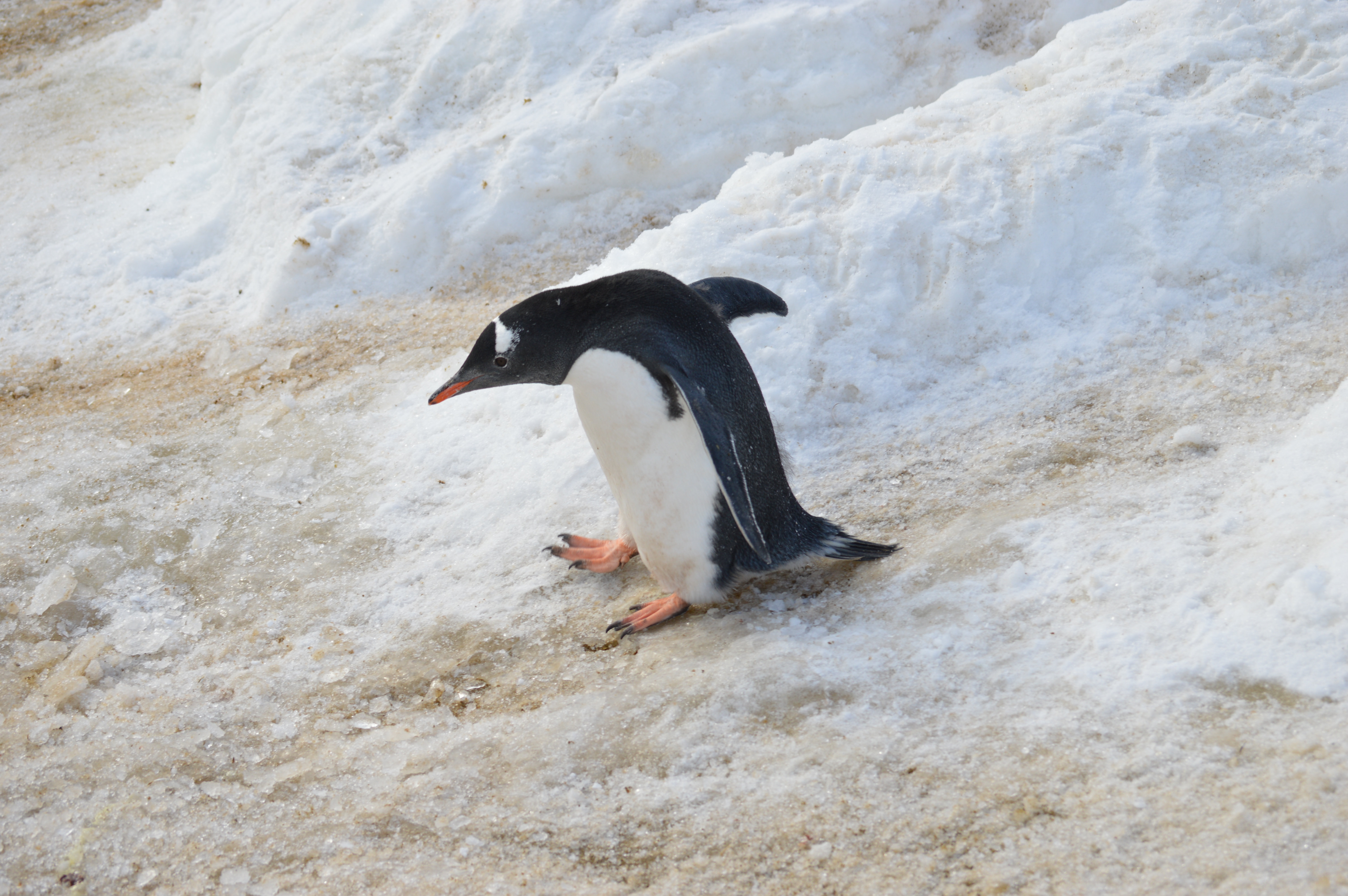
Above the beach level, the walking area was smallish and mixed big rocks and ice chunks, none of which were stable enough to make for an easy journey. After about 100 yards, the rocks gave way to ice and snow that was very slippery. I turned around, and found a place to sit and watch the action. The ice and snow had been turned into a penguin highway, and it was very busy. These highways enable the penguins to get some elevation from the beach, for protection, I suppose. They waddle up these tall, steep slopes by digging in the claws on their feet. They are often somewhat confused-looking, looking up the hill and then turning around and looking back at where they came from. Sometimes they get quite a ways up the hill, then just turn and waddle or slide back down to the bottom. Its quite entertaining, and I’d love to know what they’re thinking!!
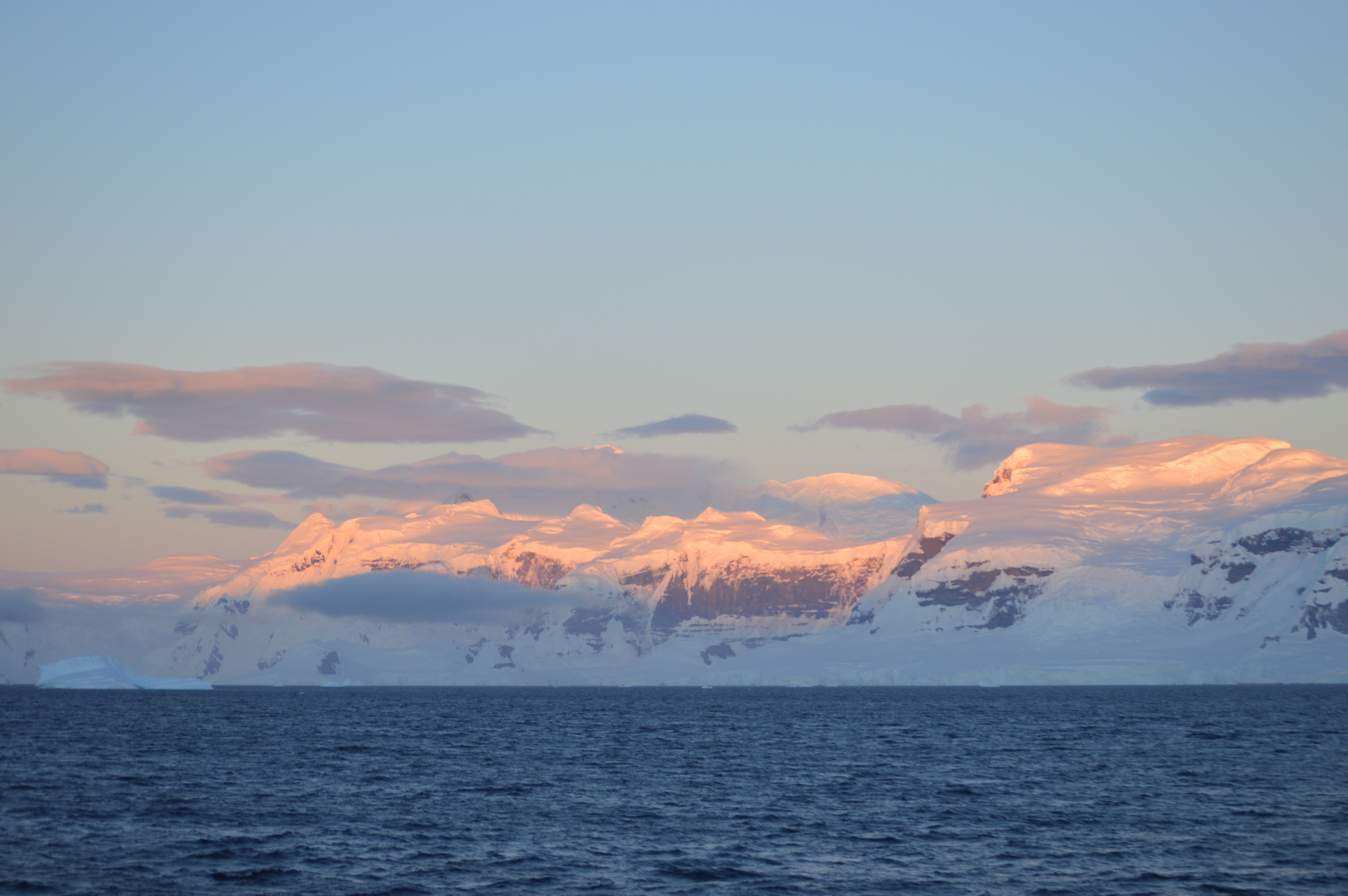
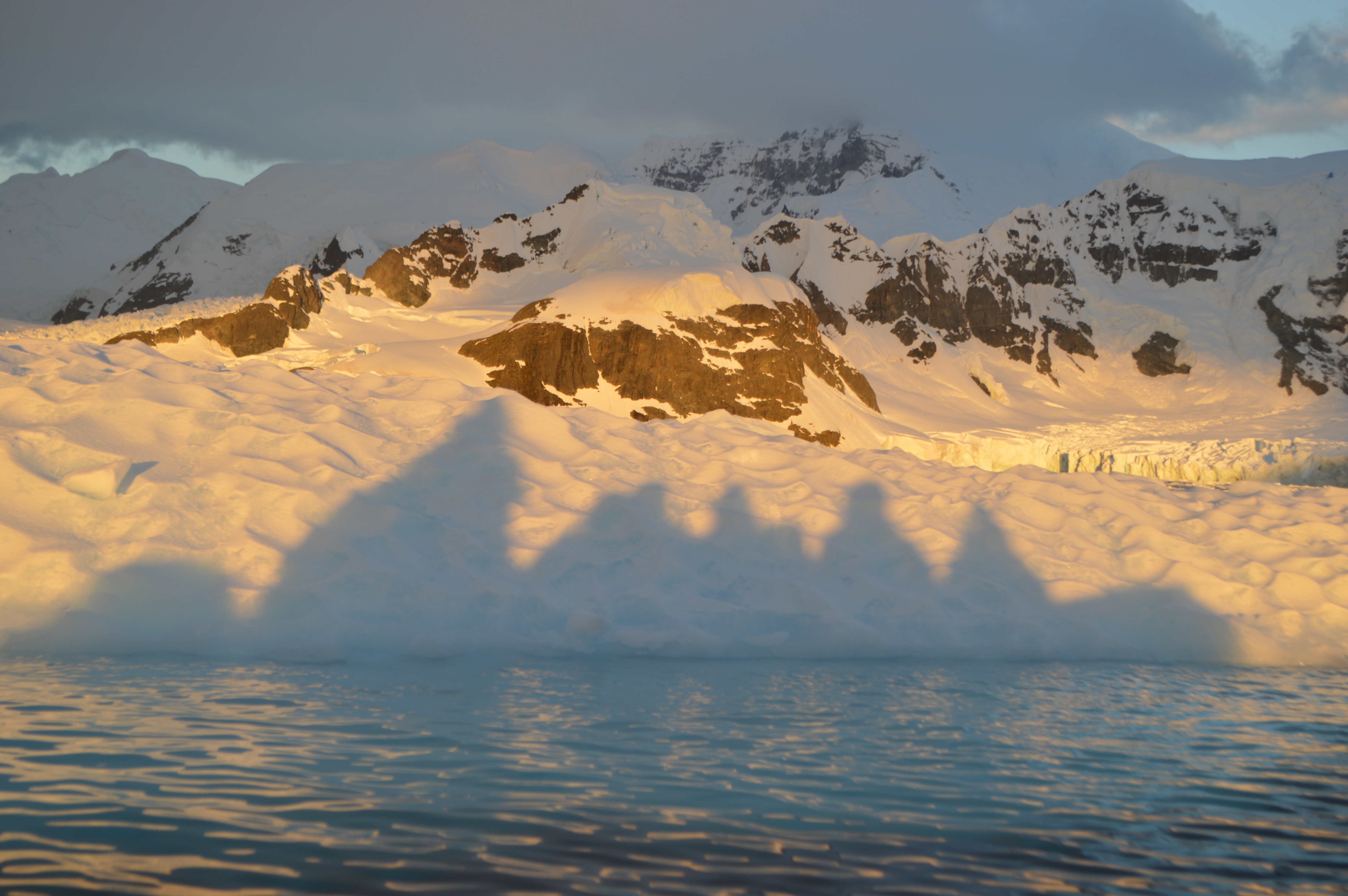
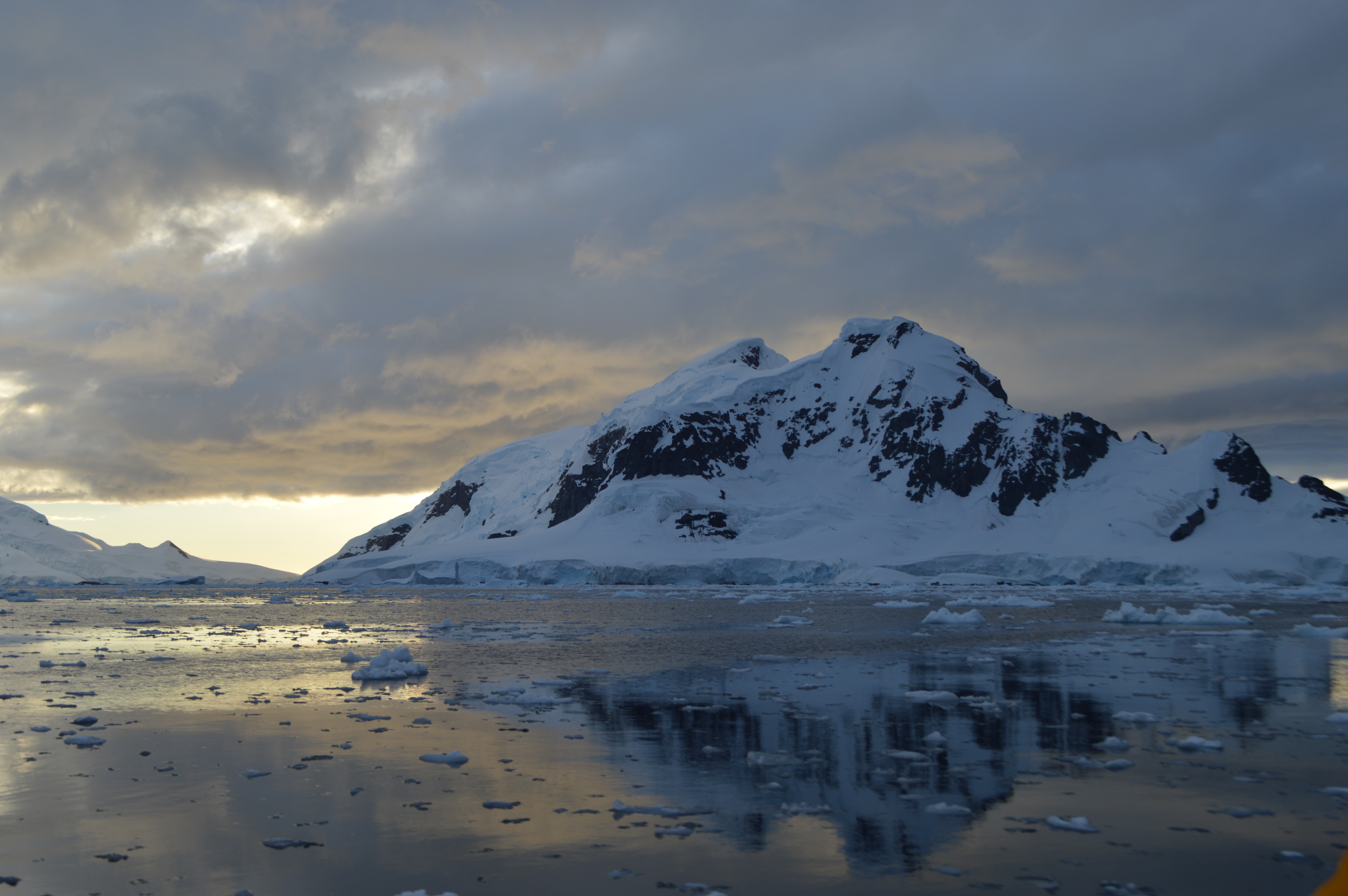
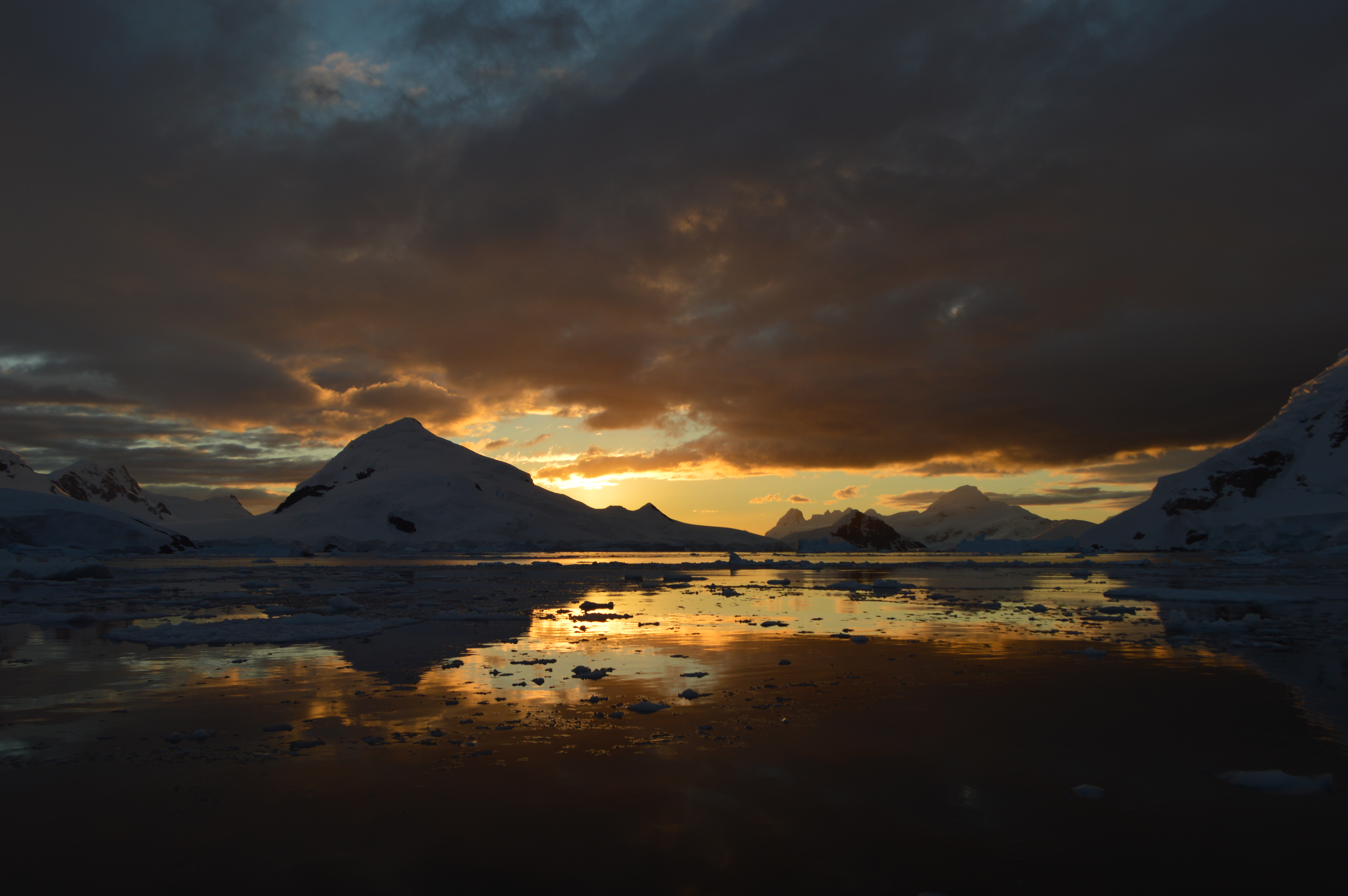
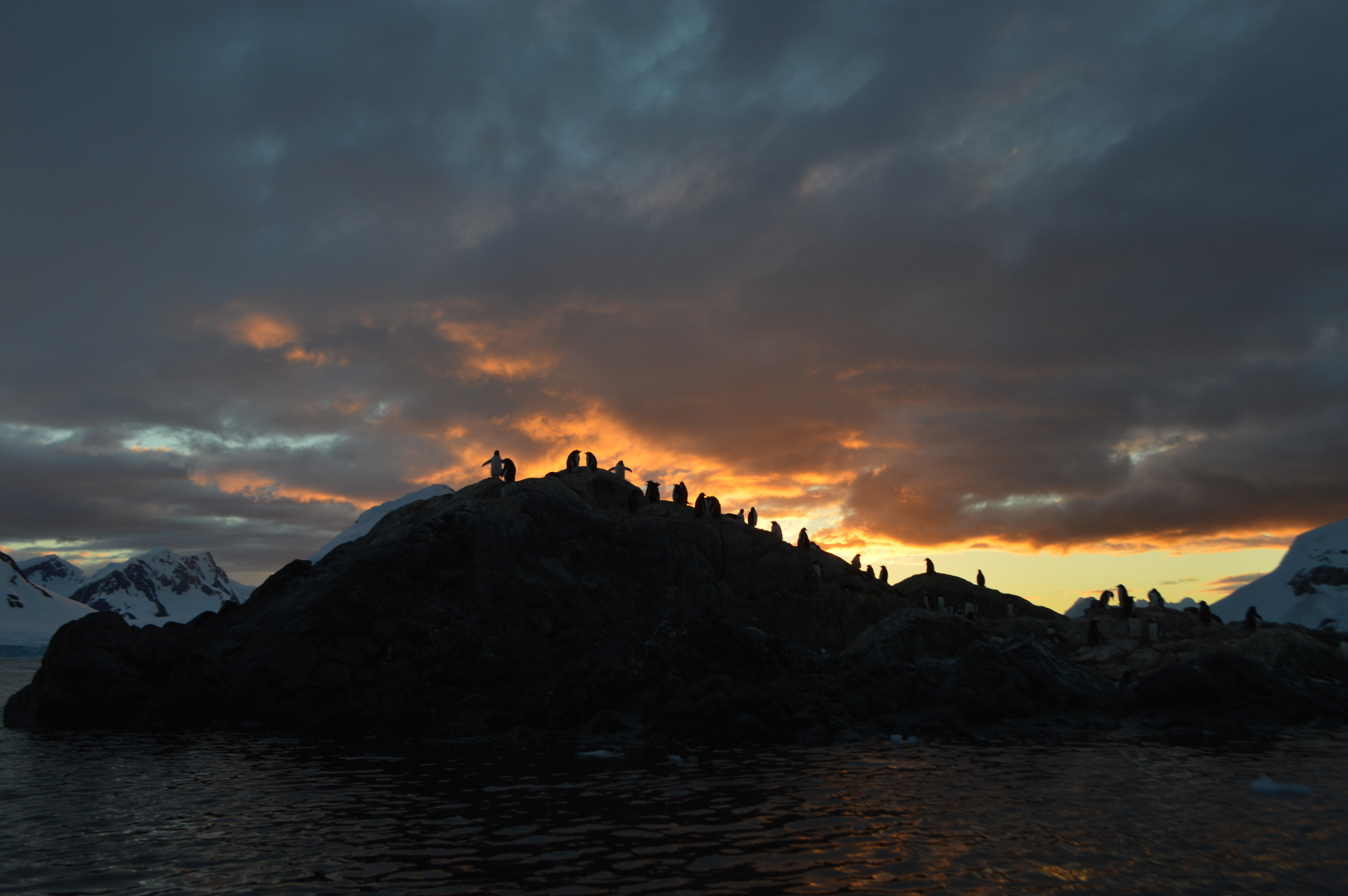
Back to the ship for dinner, and our only post-dinner zodiac cruise of the trip. The conditions that created the incredible sunset the previous evening were pretty similar, so off went a few intrepid passengers that were willing to gear up—and prepare for much colder conditions—for the third time today. It was about 4-5 degrees colder than the daytime temperature, and the wind was up a little, so it was REALLY cold, but well worth it. We passed a research station where the residents were outside exercising, one of the most beautiful glaciers in all of Antarctica, and saw a great sunset.
I’m always a bit leery about not going out on a landing or zodiac cruise! It seems that most of the other passengers feel the same way. It would be so disappointing to elect to stay back and miss something incredible, especially after coming all this way to see everything possible.
 Travels with Nance